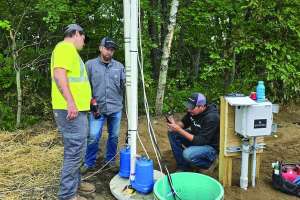

Aerobic module rejuvenates filter bed and eliminates hydrogen sulfide odors
Problem: Midwest homeowners of 35 years had a septic system with ongoing odor and performance issues. The system discharged into a filter bed and then into an 80-foot swale, where foul hydrogen sulfide odors were noticeable, sometimes even by neighbors. Black, slimy biomat frequently discharged from the filter bed, and plugging in the filter bed led to ponding in the yard. These issues made mowing difficult and left portions of the yard inaccessible at times.
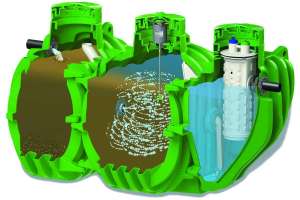
Solution: IMET installed its aerobic biological module directly into the homeowner’s single-tank septic system in less than two hours. Installation of the IMET Residential Septic Module involved placing the module in the septic wastewater and connecting its diffuser to a small, quiet, energy-efficient air pump.
Result: Within two days of the installation, odor issues the homeowners had experienced for 35 years were gone. Within a few months, the filter bed was rejuvenated and any ponding eliminated. In the nine years since installation, these positive results have remained consistent; the homeowners have not had to pump the septic system, the once odorous swale no longer stinks and the black, slimy biomat layer is no longer present. Instead, clean water now exits into the swale. 216-906-1066; www.imet.net
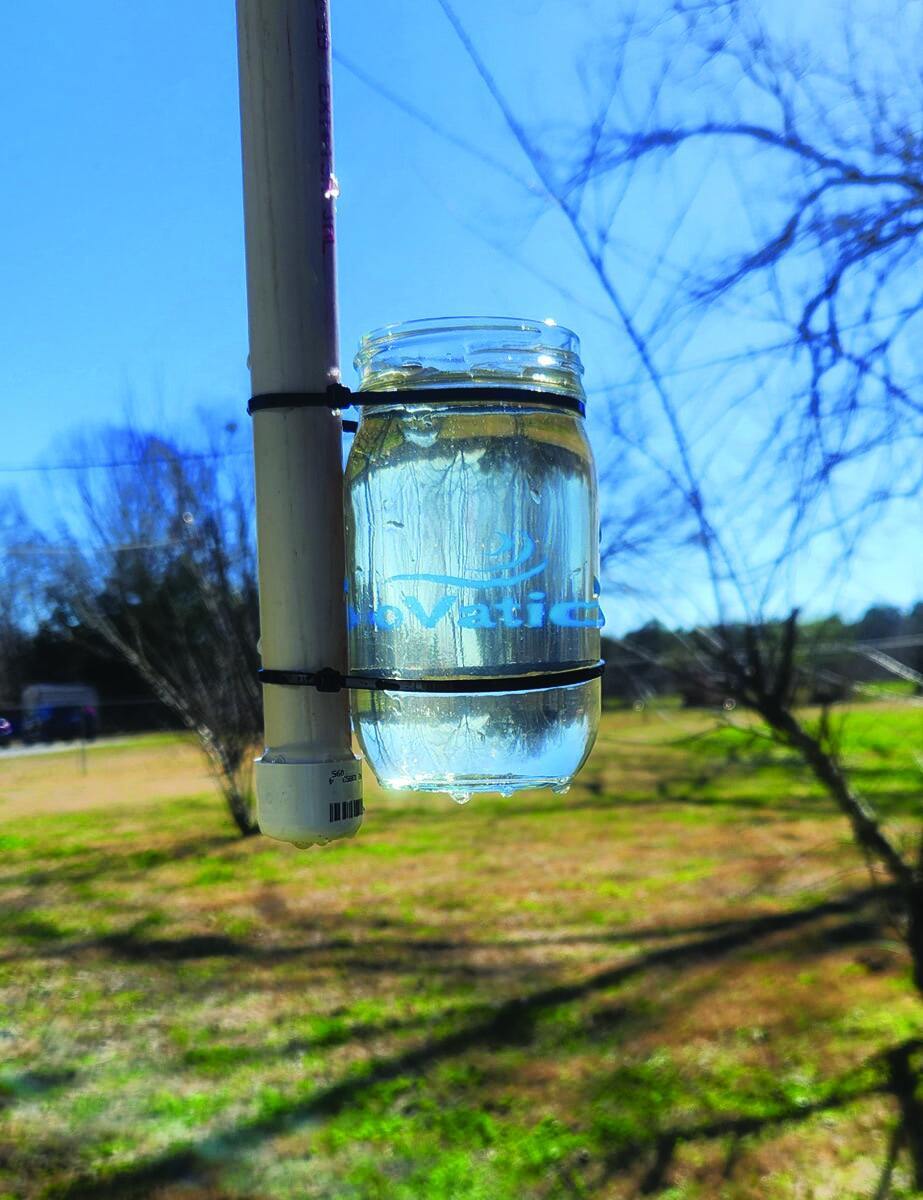
System addresses failing drainfields
Problem: Alabama’s Black Belt region has dark, clay-rich soils that are unsuitable for conventional septic systems and drainfields. While some older systems operated for a time, they often fail prematurely due to soil limitations and biomat buildup. New installations typically require engineered mound systems, which can cost tens of thousands of dollars — far beyond the reach of many homeowners. One example is a home in Montgomery County on the border of Lowndes County, Alabama. The single-compartment 1,000-gallon tank was backing up and overflowing.
Solution: Brown Excavation offered two options: a $25,000 engineered mound system or the RioVation BioMaze BM2624 system for a fraction of the cost. The homeowner chose the BioMaze system. It offers a cost-effective alternative by transforming an existing septic tank into a Suspended Biofilm Generator — without modifying the tank or permitted system. The technology uses fixed-film media pods for attached growth and ceramic stone diffusers to support the growth of beneficial aerobic microorganisms. These microbes attach to the media as biofilm while some remain suspended in microscopic format within the tank. As the treated effluent flows to the impaired drainfield, the suspended microbes feed on the biomat, restoring permeability and functionality.
Result: Within two weeks, the drainfield was functioning again, demonstrating how the BioMaze provides a practical, affordable solution for failing septic systems even in challenging soil conditions. 352-228-4488; www.riovation.com
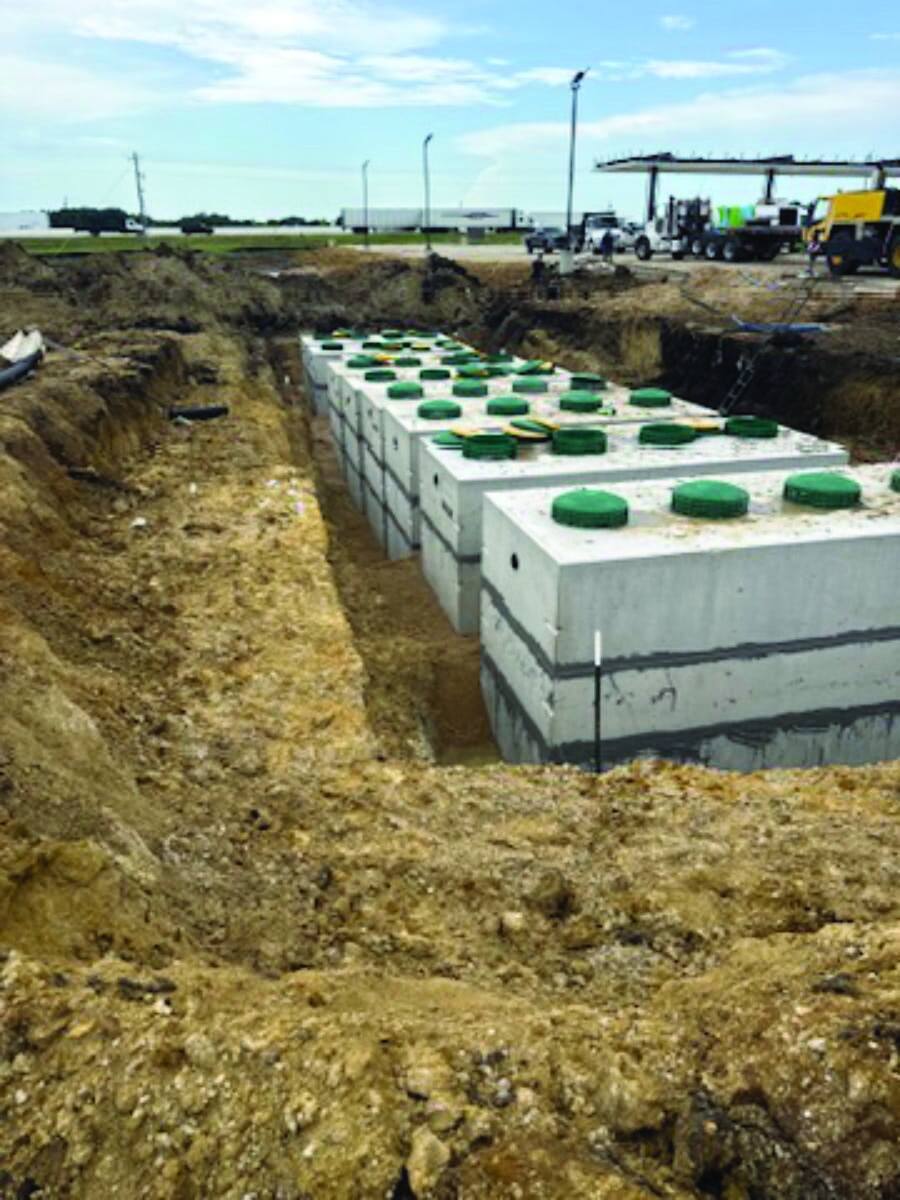
Technology powers sustainable wastewater solution
Problem: When plans for a new truck stop and restaurant were proposed in the city of West, Texas, the owners quickly identified wastewater as their biggest challenge. The site was projected to generate high-strength, high-volume wastewater far beyond the capability of a conventional septic and leachfield system. On top of that, soil conditions limited disposal options to surface spray irrigation. This required a treatment process that could consistently produce a highly polished, disinfected effluent — protecting both public health and the environment.
Solution: Engineer Jeffery Hunter of Consulting Environmental Engineer partnered with Luke Snyder of JerNan Septic, who recommended the SludgeHammer Aerobic Bacterial Generator technology. At the heart of the design was the S-86 module, a modular, portable bioreactor that harnesses advanced microbiology to rapidly digest waste. Snyder sourced 4,500-gallon tanks locally, which allowed Hunter to configure the treatment train for maximum performance and efficiency. The system not only met stringent effluent quality requirements, but also supported the extensive irrigation network needed to safely disperse several thousand gallons of clean water every day.
Result: The system provided a cost-effective, environmentally responsible solution. Its modular design allows for easy installation and scalability, while ongoing maintenance is simple and efficient — minimizing long-term operational costs. The system delivered clean, safe water and long-lasting protection for the local environment. 231-348-5866; www.sludgehammer.net
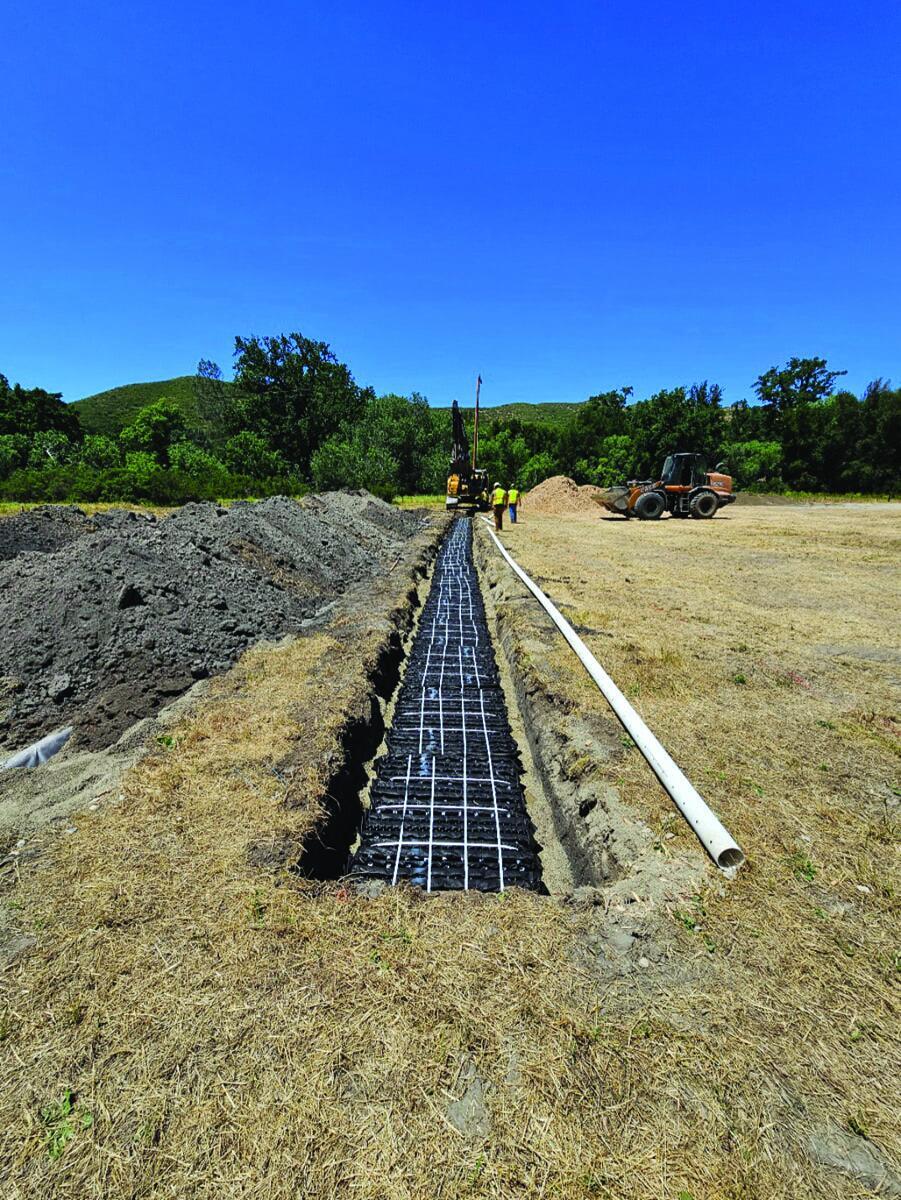
Sand filter system helps national park meet nitrogen reduction goals
Problem: Pinnacles National Park, located in central California, is renowned for its striking spires, canyons and as a refuge for the endangered California Condor. Protecting the pristine landscape and delicate ecosystems is a top priority, especially when it comes to wastewater treatment. The park sought a sustainable solution to meet nitrogen reduction goals.
Solution: The Eljen Geotextile Sand Filter was selected and installed in its nitrogen reduction configuration. The site’s conditions — low groundwater, rocky terrain and a high-value natural habitat — made Pinnacles an ideal candidate for the GSF’s passive denitrification capabilities. Unlike mechanical treatment systems, the GSF requires minimal maintenance and no power, which reduces operating costs and environmental impact. The layered geotextile and sand filtration process ensures advanced treatment, significantly lowering nitrogen, BOD and TSS levels while protecting surrounding water resources.
Result: Since its installation, the GSF has provided reliable performance with a small footprint, aligning with the National Park Service’s mission to conserve natural resources for future generations. 800-444-1359; www.eljen.com
Continue reading for free