
Recently, I learned about an amazing nonprofit — Pumps for Patients — that facilitates free pumping for people fighting cancer. The organization started in San Diego, but is planning to expand across the nation to provide free tank cleaning to all in need.
The needed frequency of pumping increases due to the risk of damage to the beneficial bacteria and an increase in nonbiodegradable waste. The effluent from the septic tank can then create a challenging waste stream for downstream components like aerobic treatment units, media filters and soil treatment areas. If not addressed, this could cause the system to not perform, surface or back up in the home.
Chemotherapy drugs can be lifesaving measures that your customers may have to take when being treated for cancer. The human body does not completely metabolize medications, so they enter onsite wastewater treatment systems through our body’s wastes. In 2024, the chemotherapy market was over $10 billion and is expected to rise 7% or more every year, so planning for these chemicals in septic systems is something we can’t ignore.
Potency problems
These drugs, some of which are cytotoxic (toxic to living cells), can harm other people and good microorganisms as they are present in the patient’s sweat, vomit, urine and feces. The chemo drugs (after passing through the patients) are concentrated in the urine. As the patient and their family dispose of the patient’s biological waste, all are exposed to dangerous amounts of these DNA-mutating drugs. Most of the biological waste enters wastewater treatment plants or OWTS, where it is partially degraded and may harm the beneficial bacteria in systems. One example, cyclophosphamide, is known to survive standard wastewater treatment and may maintain its drug function for months or years.
The risk from chemo drugs in urine is so high that it is recommended that men urinate sitting down, the toilet lid be closed before flushing and that the toilet is flushed twice to reduce the risk of another person coming in contact with the waste. Special handling of body fluids is usually needed for 48 hours after a single treatment. If a cancer drug is taken every day, special handling is needed the whole time, until 72 hours after you stop taking the drug. Another recommendation is to add 1-2 cups of household bleach to the urine in the toilet and let it sit for 15 minutes before flushing. This amount of bleach is not wise to add to an OWTS on a regular basis.
Cytotoxic drugs are not cancer-specific. They can act against any growing cell, with the amount of damage increasing with the rate of cell growth and the concentration of the drug. This means that these drugs do not distinguish between the patient and anyone else, and possibly the beneficial bacteria in our OWTS.
A lot to learn
With wastewater treatment plants, the use of medication is less of an issue as they have the benefit of dilution due to the larger number of people using a system and additions from commercial sources of wastewater. Normal use of many medications, including over-the-counter drugs, will not harm OWTS. However, many forms of chemotherapy can affect the operation of the system. The problem is that we do not know which chemotherapy drugs will be problematic as they are not tested for their impact on wastewater treatment.
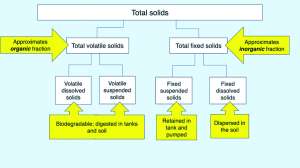
High concentrations of some chemotherapy drugs can kill or slow the growth of the anaerobic bacteria in the septic tank, pretreatment system and soil treatment area. These anaerobic bacteria are necessary for the proper operation of the system because they digest some of the organic matter entering the septic tank. They reduce the amount of solids in the tank and reduce the biochemical oxygen demand of the effluent. If the septic tank bacteria are reduced, solids accumulate in the tank faster and can create problems in the soil treatment area. In pretreatment and soil treatment systems, aerobic bacteria are needed to continue the treatment process.
A related challenge is that those taking chemotherapy drugs are often taking other prescription medications as well. Serious infections can commonly occur in cancer patients with their compromised immune system, and it’s not unusual to have a patient on heavy-duty antibiotics, compounding the problems. For example, one cancer survivor had IV antibiotics twice for staph infections, which are very hard on the good bacteria in the system. Other patients may need to take an antifungal medication which can impact the bacteria as well.
Recommendations
If a home is discharging chemo drugs and other medications, here are some recommended steps for the homeowners to consider to protect their OWTS:
1. They should alert their maintenance company of the treatment so the system can be evaluated and workers protected with special personal protective equipment including double rubber gloves, a face shield and potentially a tight-fitting mask if wastewater will be aerosolized. Contaminated clothing should be washed separately in hot water.
2. Let them know to minimize the use of other products that kill bacteria such as antibacterial soap, drain cleaners, quaternary ammonia (active ingredient ammonium chloride), cleaners and bleach, as these products further stress the bacteria in the system.
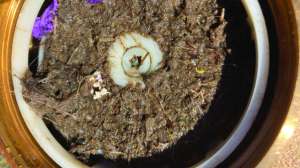
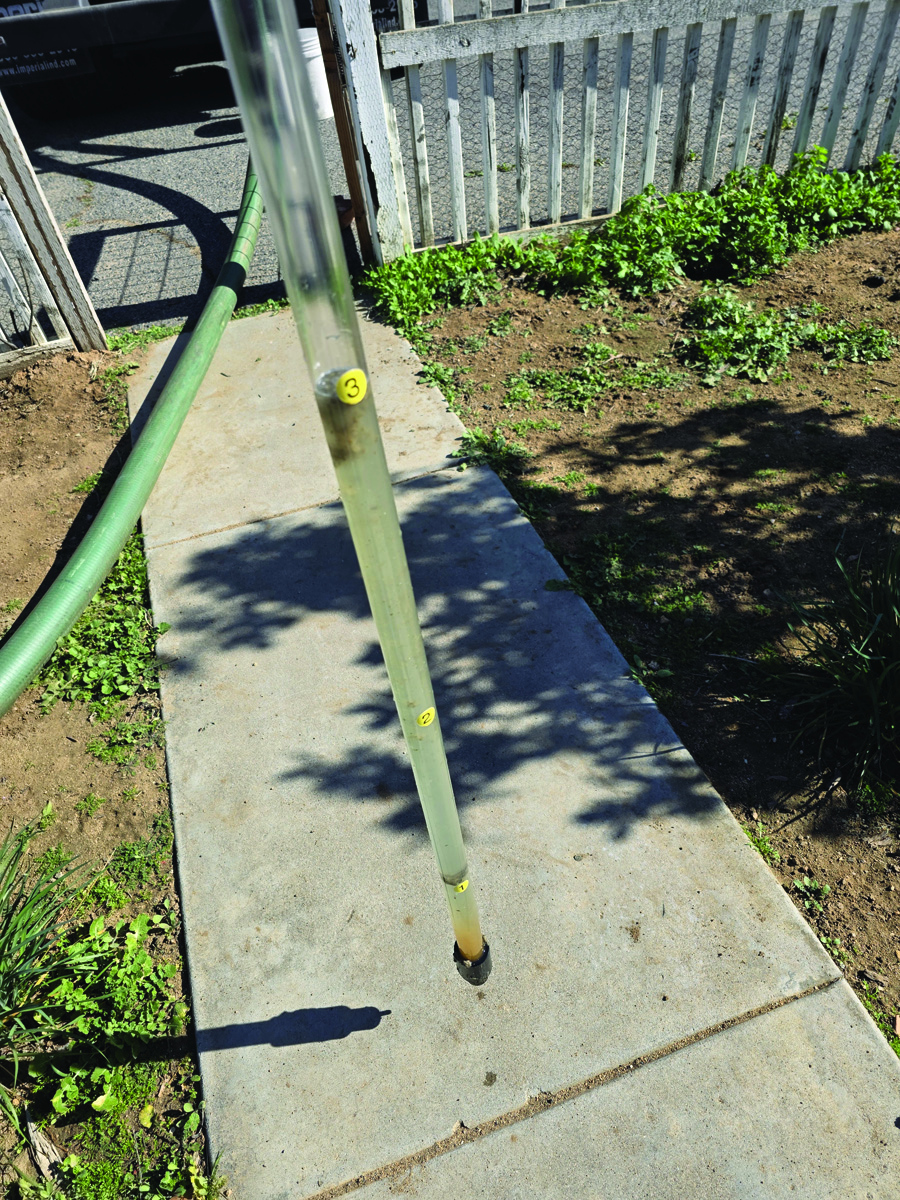
3. After a new treatment program begins, the septic tank should be evaluated to determine if it is operating normally. It should have a septic odor from hydrogen sulfide production along with the three distinct layers: sludge, scum and a clear zone. If there is no clear zone or if there are visible solids in the clear zone, this is an indication that the bacteria in the tank may be upset. If the septic tank has a chemical odor or is yellow in color, this can indicate a toxic tank as well.
4. Increased maintenance of their system may be required with chemotherapy drugs. The septic tank may have to be pumped more often to remove solids that are accumulating rapidly due to the loss of beneficial bacteria. A septic professional can monitor the system, take samples of BOD or TSS, and recommend a management plan, which may include the following steps.
- If the septic tank gets too toxic, it may be necessary to use the tank as a holding tank during a prescribed treatment.
- After a treatment has been completed, pumping the septic tank will allow the beneficial microorganisms to repopulate the tank.
- Filling the septic tank with clean water after pumping may be needed to dilute the concentrations of the medicines at the restart of the system.
- Service providers have had success with bringing in septage from another septic tank to seed the tank with a good community of bacteria.
- Certain design changes may be necessary to protect the pretreatment or soil treatment area. These changes could include adding an effluent screen, which is placed on the outlet of the septic tank to limit solids exiting the tank. The effluent screen will need to be cleaned frequently if the septic tank is upset. An alarm is a critical part of an effluent filter installation as it will indicate when the filter needs to be cleaned.
- If hair loss is expected, an effluent screen is particularly helpful in preventing hair from being washed into the septic system. Hair can remain suspended in the wastewater and is carried to the drainfield, where it could plug the soil and cause drainfield failure.
- Adding additional septic tanks or a pretreatment device is another possible design change to try to break down the contaminants with either more detention time or aeration.
To date, no additives have been found to be effective in mitigating the impacts of chemotherapy drugs. The best course of action is to evaluate OWTS and manage more activity during treatment.
Continue reading for free