
Hair is a filamentous, hardened protein structure made of keratin that grows from follicles in the skin of mammals, and it’s a pain to deal with in septic systems.
Keratin is a tough, fibrous, structural protein that the body naturally produces, serving as the building block for hair, skin and nails by providing strength, elasticity and protection. Hair is composed of amino acids including a high sulfur content. It also contains water, lipids, pigments (melanin) and trace minerals. Hair consists of three layers: the cuticle, cortex and medulla, which grow from follicles in the skin.
Hair, hair, everywhere
Most people shed 50 to 150 hairs every day, adding up to an astonishing 18,000 to over 50,000 hairs a year. That amount can vary significantly depending on the individual and their circumstances such as stress, childbirth or thyroid conditions. Some medications — such as chemotherapy drugs, blood thinners, retinoids, antidepressants and cholesterol-lowering agents — can also contribute to increased hair shedding. Even beta-blockers, birth control pills and thyroid medications may play a role. In-home beauty salons can also contribute significant amounts of hair to the system.
Dog and cat hair are also made of keratin, but our pets’ fur is structured for insulation and protection, featuring a medulla with air pockets that help it float, while human hair does not. If hair is washed down the drain, our human hair may settle out while the animal fur may float. Pet hair can be troublesome at homes with pets, but particularly challenging in facilities with large amounts of pets, such as animal shelters and dog grooming facilities.
It takes time
Hair and fur are biodegradable and decompose, but very slowly due to the tough, insoluble protein structure of keratin. Research shows that hair in an aerated compost pile can take up to two years to break down typically, though in anaerobic conditions like landfills, it has been shown to last decades. Therefore, in a septic tank, hair will not decompose and will build up, which will need to be removed when the tank is pumped.
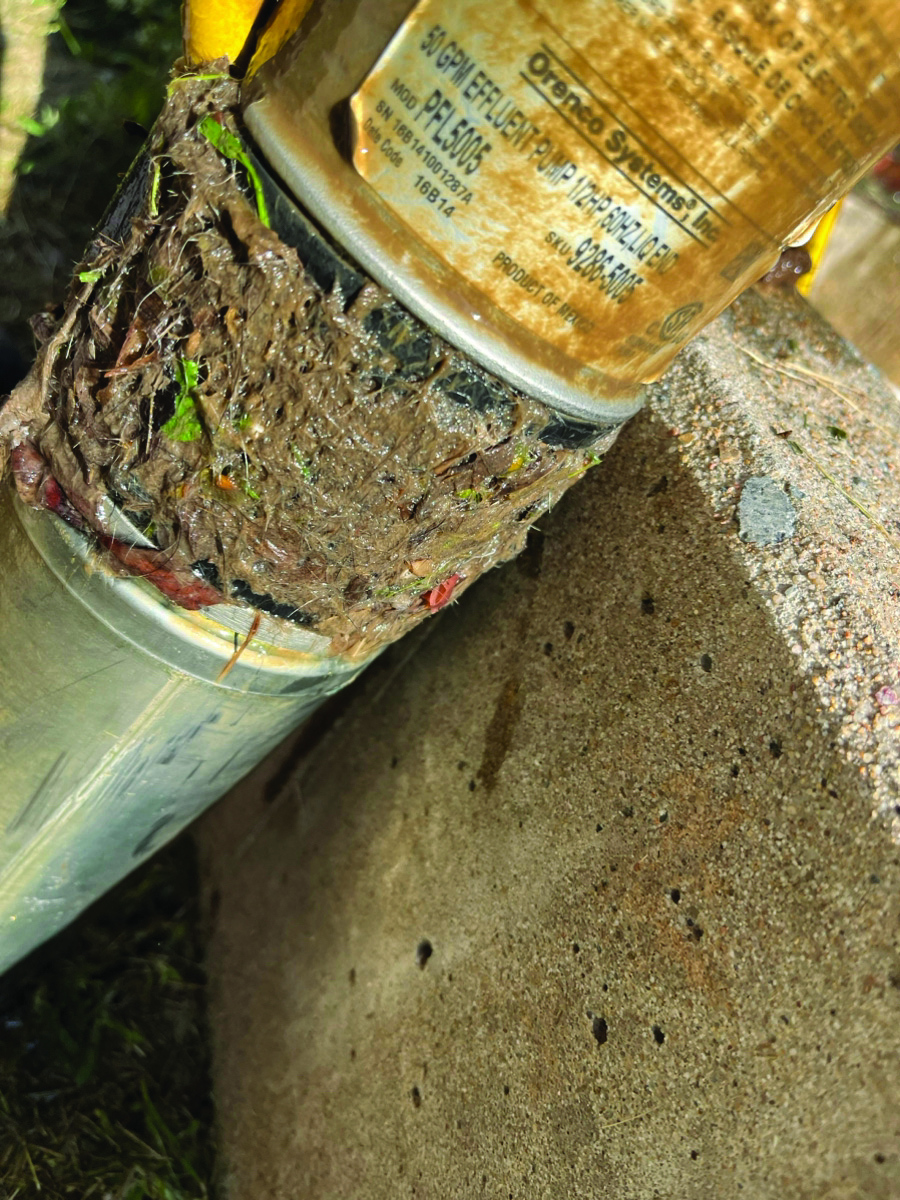
In aerated systems, the time needed for breakdown is typically not achievable, and the hair may persist in the downstream components. If the septic tank has an effluent filter, it will catch large hair particles, but if substantial amounts are put down, the screen will need frequent cleaning. Smaller hair particles may pass through the filter. When hair passes through the septic tank, it can cause challenges in aerated systems and pumps. If it makes it to media filters or the soil, it will build up in piping components and over the media/soil, resulting in reduced infiltration rates, reduced oxygen levels and potentially a reduction in system life.
Keep it out
To protect pipes, screens and onsite wastewater treatment systems, it’s crucial to keep as much hair as possible from going down the drain. Here are some effective tips to reduce the amount of hair entering the onsite wastewater system:
Human hair:
- Brush hair before or during showering
- Catch hair in the shower while shampooing/rinsing
- Catch hair from shaving with a sink drain catcher
- Deposit beard-trimming waste directly into the garbage
- Use a shower drain hair catcher with a fine holes/mesh
Pet fur:
- Bathe pets outside
- Brush pets regularly
- Use a drain catcher when bathing inside
For both human and pet hair, consider installing a lint filter on the washing machine. These filters trap hair, fur and nonbiodegradable synthetic fibers (like polyester and nylon) from clothing, bedding, rugs and furniture covers. By capturing debris before it enters the pipe, lint filters help prevent clogs and extend the life of the onsite wastewater treatment system.
For beauty salons and dog grooming facilities, in-line larger hair traps should be installed in bowls and tubs.
Hair poses a unique challenge for onsite wastewater treatment systems. Unlike most waste, it resists decomposition, leading to stubborn clogs, sludge buildup and even damage to pumps and other critical components.
Continue reading for free