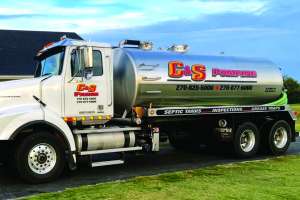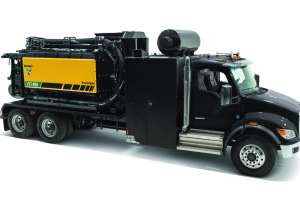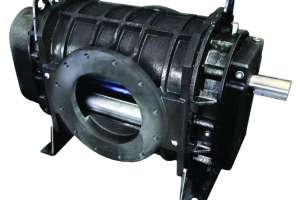
As professionals, we need to understand that pumps and blowers are some of the hardest-working parts in the wastewater industry. From vacuum trucks loading septage to blowers adding oxygen in treatment systems, these machines run in tough conditions every day. Heavy solids, grease and strong waste put constant stress on equipment that must keep working under pressure.
Septage creates an even bigger challenge. Compared to normal wastewater, it has much higher levels of organic material and suspended solids. Biochemical oxygen demand, which shows how much oxygen is needed to break down waste, is often much higher. Total suspended solids, or the particles in the waste stream, are also increased.
This creates a harsh operating environment. Pumps must move thicker material and blowers must work harder to keep oxygen levels up. Over time, this leads to more wear, lower efficiency and a higher risk of failure.
How equipment failures develop
Equipment failures in wastewater systems rarely happen all at once. Most problems build over time and are missed until something breaks.
Common early warning signs include:
- Rising system or discharge pressur
- Reduced airflow from blowers
- Changes in pump cycle times
- Lower overall system performance
On their own, these changes may seem small. Without regular monitoring, they are easy to miss during daily work. But they often point to issues like blockages, wear or system imbalance.
If these signs are ignored, the result is usually a breakdown. This can lead to emergency repairs, downtime and higher costs.
The role of monitoring systems
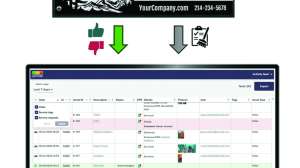
Monitoring systems give operators real-time insight into how equipment is running. By tracking key data, these systems help catch problems early.
Typical monitoring points include:
- System pressure
- Airflow rates
- Tank levels
- Amperage
- Pump runtimes and cycles
Alarms can alert operators when readings move outside normal ranges. This allows action to be taken before damage occurs.
Instead of relying on guesswork or reactive repairs, monitoring creates a more controlled and proactive way to manage systems. There are a multitude of companies that can provide monitoring equipment and programs for trucks and advanced treatment systems through telemetry units.
Practical applications in the field
In real-world use, monitoring systems make it easier to spot problems early.
A slow rise in system pressure may mean a blockage is forming or buildup is happening. Fixing it early may only require basic cleaning. If ignored, it can put heavy strain on pumps and lead to failure.
Changes in pump cycles can also signal trouble. A pump running more often than normal may point to leaks, control issues or shifting system conditions. Monitoring helps operators find and fix the problem before damage happens.
In aeration systems, airflow is key. A drop in airflow may show fouling, wear or inefficiency in the blower. Catching this early protects both performance and equipment.
Higher amperage may be an indication of electrical motor wear, such as winding insulation beginning to break down or incorrect voltage.
Improving reliability and equipment life
Adding the appropriate monitoring systems to pumps and blowers brings clear benefits.
Finding problems early lowers the chance of major failures. Maintenance can be planned based on real data instead of guesswork. This saves time and reduces costs. Less mechanical stress also helps equipment last longer. Pumps and blowers that run within proper limits wear down more slowly, leading to fewer repairs and replacements.
Monitoring also keeps systems running more consistently. Stable operation improves treatment results and helps avoid compliance issues.
Operational considerations
Wastewater systems are under more pressure than ever. Higher loads, stronger waste and stricter rules leave less room for error.
Monitoring systems do not replace good equipment or design. They support them by giving operators the data they need to stay in control. With reliable equipment and real-time data, systems can run more smoothly.
Wastewater equipment works in some of the toughest conditions in any industry. Pumps and blowers must run constantly while handling strong waste that increases wear and risk.
Most failures are not sudden. They develop over time and often go unnoticed. Monitoring systems solve this by making those issues visible. By tracking performance and alerting operators to changes, they help catch problems early.
The result is fewer breakdowns, lower costs and more reliable systems. For operators in the field, monitoring is not just an extra feature, it’s a key tool for keeping systems running without costly surprises.
Continue reading for free