
Removing organic solids is one of the primary goals of wastewater treatment. If solids reach a water body, they can make the water cloudy and exert an oxygen demand, reducing the dissolved oxygen in the water. Solids can clog pipes and have the risk of sealing off and plugging voids in soil and filters. They can also reduce the efficiency of treatment systems including disinfection devices.
Wastewater treatment systems designed to apply effluent to the surface or discharge typically have a total suspended solids limit. The industry commonly focuses on the TSS, but when troubleshooting, an understanding of the various types of solids that can be measured is very helpful.
Dissecting solids
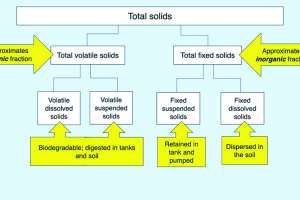
The first way to quantify the solids is to measure the total solids. This test measures the material left after drying in an oven at 217 to 221 degrees F (103 to 105 degrees C). The material left includes total suspended solids and total dissolved solids. Some of the TSS in wastewater will settle out in a septic tank or clarifier and are referred to as settable solids. These two parameters can also be separately measured.
- TDS are solids that pass through a 2.0 µm filter after drying.
- TSS are solids retained on the 2.0 µm filter after drying.
There is another important way to evaluate solids and that is based on distinguishing whether they are organic or inorganic.
- Organic: Volatile solids is the portion of the sample lost after the sample has been heated to 550 degrees C and it approximates the organic material present since that fraction will burn up at these temperatures.
- Inorganic: Fixed solids is the portion that remains after heating and approximates the mineral (inorganic) fraction present because mineral matter is resistant to heat.
Evaluating type of solids beyond just the TSS may help when troubleshooting a treatment issue. Here are examples:
- High volatile dissolved solids could be caused by simple sugars and carbohydrates, dissolved proteins and amino acids from human waste and food, soaps and detergents, and urine. Items such as soda, juice, alcohol, milk and similar waste streams require oxygen to be broken down. If sufficient oxygen is not available, it can cause an overload of the treatment system.
- High volatile suspensions could be caused by food waste, fecal matter, paper that may settle out or may stay suspended. High levels can increase sludge production and oxygen demand. If not consumed by microorganisms, they can lead to clogging and sealing off of the voids in soil and filters.
- High fixed dissolved solids could be chlorides, sulfides, carbonates and calcium salts in the wastewater that will be dispersed downstream into a soil treatment system. High levels can clog irrigation equipment and increase soil salinity.
- High fixed suspended solids could be mineral particles (sand, silt and clay), chemical precipitates, fixed portions of organic material and scaling compounds. These solids typically settle out in tanks or clarifiers but if they do not, they can plug soil or media
The space for solids
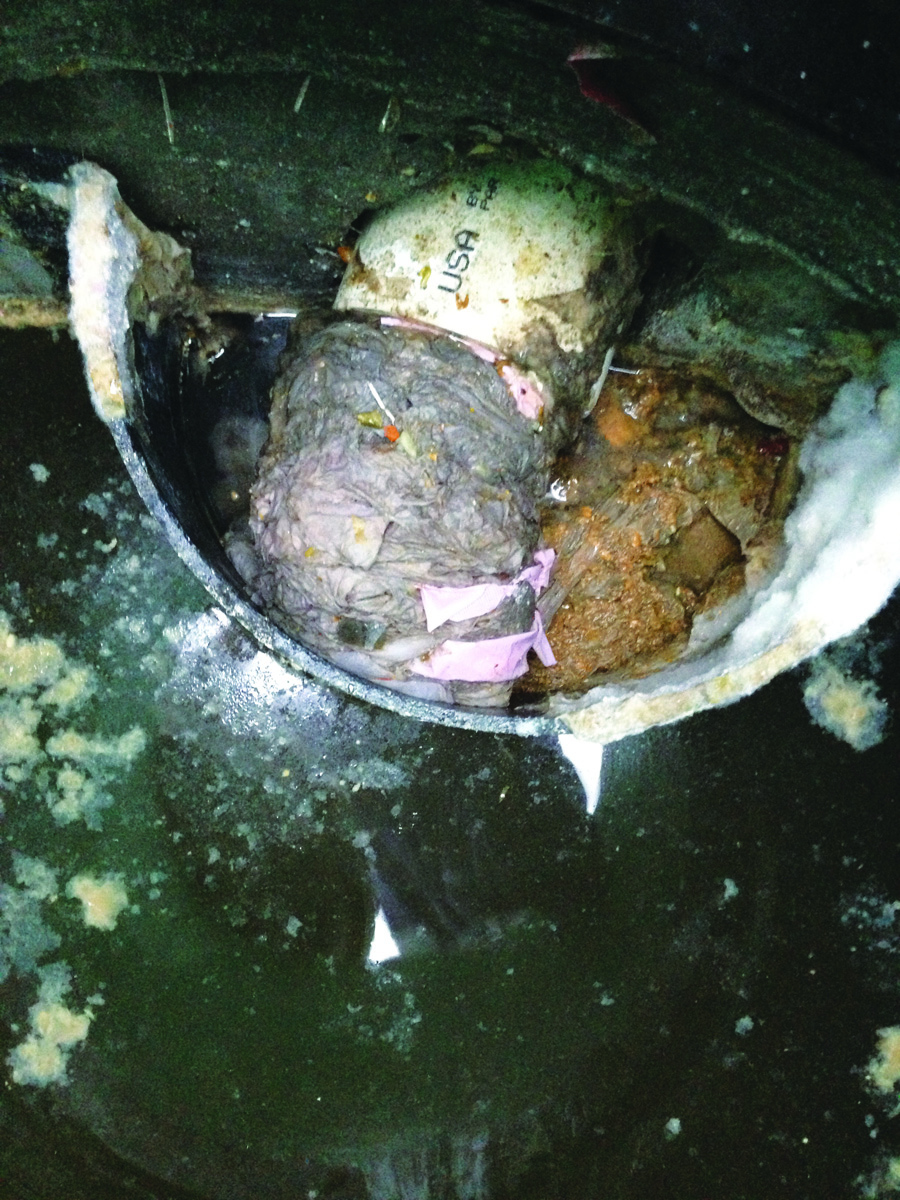
The septic tank and clarifiers in our systems are gravitational settling devices that provide a space for sedimentation and flotation to take place. Elevated levels of volatile and fixed suspended solids could be explained by varying tank characteristics including the depths and compartments, but more of it is based on the system design along with practices in the structure such as:
- The system being underdesigned for the average or peak flow as the removal of solids is related to the detention time.
- Large surge flows that disrupt settling in tanks.
- Use of low flow fixtures that conserve water but do not reduce the constituent mass loading and result in higher concentrations.
- Grinder or ejector pumps being used to convey wastewater to the treatment unit, which create small solids that do not settle out as well.
- Use of a garbage disposal that adds more solids and creates smaller solids, which do not settle out as well.
- Kitchen practices such as kitchen cleanup, food preparation or cuisine that add additional food particles to the system.
- Above average use of toilet paper or placing other paper products into the system
- Toxic, emulsifying and antibacterial materials when added at high amounts can negatively impact stratification and microbial breakdown.
- Lack of tank maintenance will impact solids settling and storage.
- Clothing fibers, clay or soils present on the clothes increase the solids load and relate to the habits, hobbies and occupation of the residents and the type of clothing they wear.
Solutions
The dissolved solids can be either source water related or related to practices in the facility. If home and businesses served with OWTS have hard water, commonly softeners are used. It is best to have the hardness and salts directed out of the system. If the dissolved solids are related to disposal practices of excess liquid waste a reduction could make a difference. This can be particularly true with food service establishments and facilities manufacturing beer, wine and carbonated beverages.
Efforts to reduce the solids from the source could make a big impact — this could include reducing or eliminating the use of a garbage disposal and overall reducing the amount of solids in the system. Use a nonagitating washing machine and install a lint filter on the discharge line.
Increase retention times in septic tanks and clarifiers through water conservation by replacing old toilets and washing machines, fix leaks and make sure all clear water does not go into the system. Spread out usage so septic tank velocity is as slow as possible. Install larger compartmented septic tanks that are not low profile to increase the amount of time for settling. Install an effluent screen to hold back solids.
Promote digestion of solids by limiting the use of cleaning products including antibacterial products which can reduce the natural bacteria digestion. Also, limit products that may cause emulsification of the septic tank such as degreasers and liquid fabric softeners.
Ensure proper maintenance is occurring by pumped septic tanks when more than 25% of capacity is storing sludge and scum and when recommended by the manufacturer if a clarifier is present.
Understanding the different types of solids in wastewater — suspended, dissolved, volatile and fixed — is critical for managing OWTS. With this understanding, education of the user about practices to improve performance and reduce the need for pumping can occur.
Continue reading for free