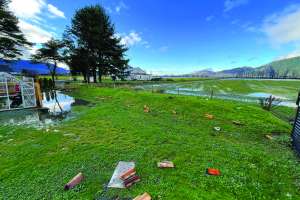

Septic systems in areas affected by flooding or high rainfall events have increased potential for damage to the system. However, there are activities after the flooding or rainfall to minimize the damage and educate your customers.
Any time a system is covered with stormwater, the soil pores will not be available to treat and disperse wastewater as they are fully saturated. Therefore, when floodwaters cover the septic system, it should not be used. If the soil treatment area or ground above your septic tank floods, the system is not treating the wastewater and impacts to public health and the environment will occur if wastewater is sent out to the system.
Precautions Before or During Flooding
During times of very heavy rainfall or flooding, the use of water in the home or business should stop or be minimized as much as possible.
Among limiting water usage, there are a few septic system tricks that can be relayed to homeowners. If the system has inspection pipes to grade, it may be beneficial to remove them as they can transmit floodwaters into the system. If the system was built in an area known to flood, turning the backflow prevention valve to prevent water from backing up into the structure is a helpful step.
Preemptive care should be taken for tanks pumped out prior to a flooding event as it can cause the tank to become buoyant and potentially pop out of the ground. If the system includes power to pumps, alarms and controls, the owner should shut off the breakers to the system to prevent burning out the pump and the pumping of the water in the tank, which may contain soil particles that can damage the system.
Also, remind the owners that if they have a private well, the well water may be contaminated, and additional measures may be needed to ensure a safe drinking water supply. At a minimum, the well should be tested for coliform bacteria.
Solutions After the Flood
The septic tank should be pumped as soon as possible after the flood recedes and prior to resuming use of the system.
Be sure to pump both the septic tank and the dosing chambers if present. Silt and other debris may have collected in the tanks while it was underwater, which could ultimately find its way to and damage the soil treatment area. Additionally, a variety of substances such as pesticides, petroleum products and other contaminants may have entered the
tank. These contaminants could be detrimental to the beneficial bacteria in both the tank and the soil treatment area and, therefore, need to be removed.
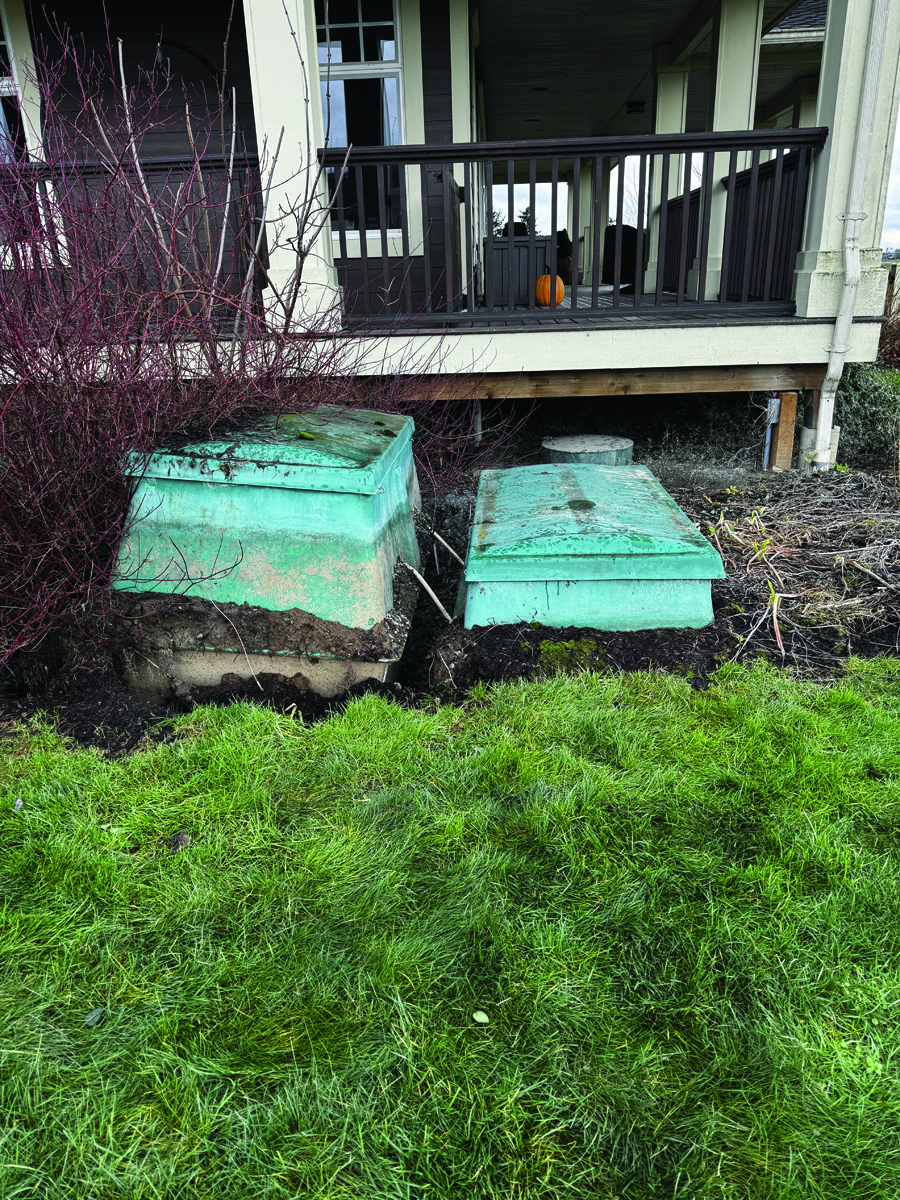
However, it is not advisable to leave the septic tank empty after pumping if the soil around the area of the tank(s) is saturated; this can cause the tank to “float” toward the ground’s surface if the soil’s water pressure remains high. If this is a concern, the tanks need to be filled back up with clear water.
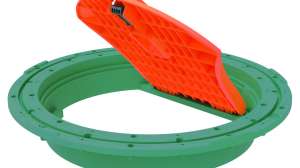
Evaluate the system tanks for open, shifted, damaged or otherwise unsafe covers or openings. Check that the septic tank manhole cover is secure and that inspection ports have not been blocked or damaged. If you observe an unsafe situation, rope off and prevent access to the area until repairs can be made. Check electrical connections for damage or wear before turning electricity back on.
If the system had an advanced pretreatment system, remember that ATUs and other media filters tend to clog due to mud and sediment. Check the air supply on ATUs, and all systems will need to be assessed to determine if they need to be cleaned, washed and in some cases raked.
Compaction Avoidance
It is also important to locate and protect the STA from compaction by keeping all traffic off the area during any type of repairs to the property. Often considerable traffic takes place around a flooded home as flood cleanup and home restoration occur. This traffic could include, but not be limited to, foot traffic, debris piles, dumpsters and heavy equipment.
Saturated soil is especially susceptible to compaction, which can reduce the soil absorption field’s ability to treat wastewater and lead to system failure. Compaction reduces the capacity of the STA to treat wastewater and could lead to the early failure of your entire system. Do not dig into the tank or STA area while the soil is still wet or flooded, and fence it off to prevent others from trafficking over the system.

Treatment Area Inspection
If after the floodwater has receded from the STA and the surrounding soil has had a chance to dry, but the area still will not accept effluent from the septic tank, the pipes or soil might be “plugged.” At this time, cleaning of the lines or replacement of the system may be needed.
Check the vegetation over the septic tank, dosing tank and soil treatment area. Repair erosion damage; sod or reseed as necessary to provide a good plant cover. Mulch or erosion control may be needed in the area to protect it further.
Inside the home, advise the owners to disinfect thoroughly if sewage backed up into the house or garage. Disease-causing organisms in wastewater can cause serious illness such as dysentery, hepatitis and other waterborne illnesses. However, avoid flushing these disinfectants, such as ammonium chloride (quats), into drains that empty into the septic system. The disinfectants could be detrimental to the beneficial bacteria in both the tank and the soil treatment area.
When the System Gets Damaged
In extreme scenarios, the water can cause components of the septic system to be partially or completely washed away. The owner of such a system should not assume that soil or other “fill” should just be added to cover damaged components.
Heavy rains can cause slides to partially or completely cover septic system components with rock, mud or silt. These slides can affect the operational integrity of the system, especially the soil treatment area. Care needs to be taken for slide debris removal from the area on or around a septic system in order to protect system components, taking special care to keep vehicle and equipment traffic off the soil treatment area to avoid compaction.
If future flooding is of concern, ensure all access points to the system (maintenance holes and inspection ports) are properly covered to prevent the flow of flood waters into the system. Critical items to address would be the installation of a backflow preventer (i.e., check valve) on the building sewer so sewage cannot back up into the structure and the installation of tanks and other buried components in a manner that protects them against flotation in saturated soil. Drainage and surface water control may be needed on system repairs to try to limit issues in the future.
Continue reading for free