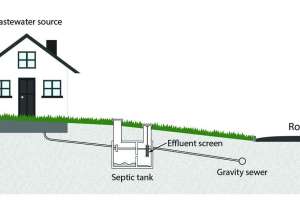

The plumbing and collection portion of the system transports wastewater from the structure to the treatment system. For single-family homes, this is the building sewer, while for cluster systems, this is a designed collection system.
The size and components of the collection systems depend on the number of residences, land topography and the type of treatment system. For individual residences or other establishments, a 4-inch building sewer is a simple technology, but it is critical for the long-term operation of the system. When installed properly, the building sewer will function for decades. When not installed properly, this component can be a continuous problem for the owner.
Getting in
With single-family homes, long-term management of this pipe requires access to the pipe in case there is a problem. A clean-out outside the structure is required in some regulations, but even if it’s not, it is a great idea as it allows work and its associated mess to stay outside. Inside the home, there is potential for the clean-out to be hidden and for the possibility of a major spill.
Outdoor clean-outs can be located either near the house or near the tank. Many service providers would appreciate having a clean-out in both locations, but if there is easy access into the piping in the septic tank, the location at the house may not be necessary. Clean-outs should use the same materials as the pipe, the same size, a sanitary wye for easy access to the pipe, and use a threaded plug or cap that is easy to take off.
In most residential applications, the building sewer is the primary route for the gases produced in the septic tank to vent back through the home plumbing. If odors are present near the septic tank or corrosion issues are noted in a concrete tank the building sewer line should be evaluated to determine if there is a dip in the pipe which may eliminate the ability for gases to vent properly.
Specifying Systems
With community systems, the required operations and maintenance depends on the system:
Gravity sewers — Proper maintenance includes periodic line repairs and inspection, cleaning out blockages and repairing areas where significant infiltration is occurring. On an approximate 10-year rotation, each sewer line should be inspected via a down-the-hole closed-circuit camera so that areas needing repair can be identified.
Pressure sewers with grinder pumps — Solids-handling pumps are used under harsh conditions. Corrosive gases and moisture in pump basins will eventually penetrate seals and bushings, resulting in pump failure. These small pumps are designed to be rebuilt, which is more economical than replacing. They are rugged devices, but are only intended to move the food wastes, fecal solids and the associated paper products, not plastic or metallic objects. Pressurized sewer systems transmit the entire wastewater flow, thus providing the possibility of oils and fats congealing in the pipe network.
System cleaning is not normally required for properly designed systems, but if clean-outs are installed in the network, cleaning procedures are facilitated. It is rare that mainline clearing is required. On-lot service line cleaning can be minimized by requiring all commercial food preparation businesses to install grease interceptors before the grinder pump to remove excessive fats, oils and grease.
Because the system is pressurized, it is inherently watertight and groundwater infiltration should not be a problem. However, the pump basins must be periodically inspected to ensure that surface water and groundwater are not entering the system through the building sewer. Illegal connections from downspouts, foundation drains and similar sources must be identified and excluded. Avoiding excessive water inflow prevents overloading the pump and wastewater treatment facility.
Effluent sewers have a septic tank at each home, or sometimes multiple homes or businesses will share a septic tank. These are referred to as septic tank effluent pressure or septic tank effluent gravity systems. Effective operation of these systems includes regular inspection of system components. Leaky tanks or pipe connections are a potential source of groundwater infiltration that can overload the system’s capacity. Tank residuals must be pumped out on a requisite basis (ideally, when solids are 25 to 33% of the liquid depth of the tank) and effluent screens must be inspected annually and cleaned as needed. In STEP systems, pump inspection and replacement will be needed.
Troubleshooting
The key for operating the building sewer/collection system is to ensure that effluent drains through the pipe by preventing buildup plugging and freezing. Good management can maintain and extend the life of the system.
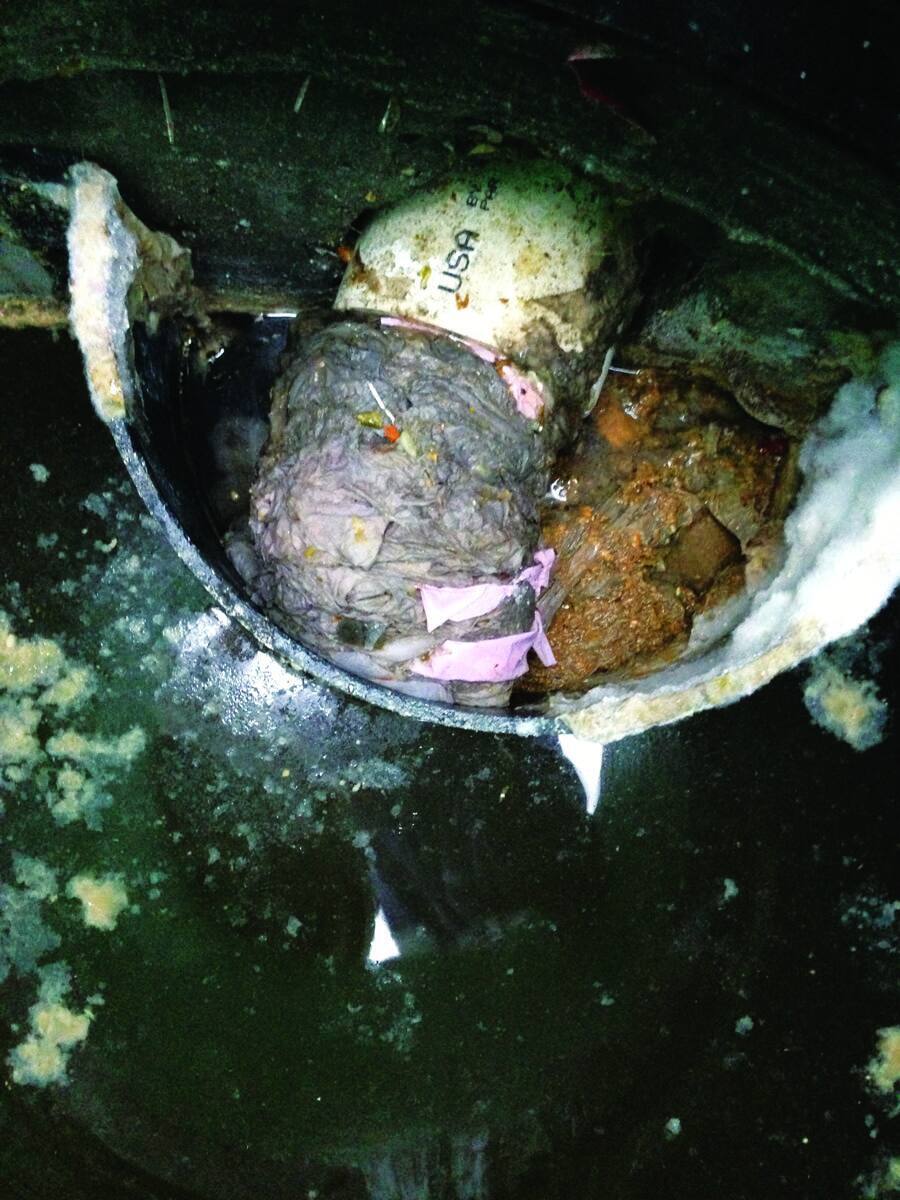
The first issue, plugging, is related to use. Large solids that do not belong should be kept out of the piping. Powder detergent can add to clogging problems in cast iron piping by caking inside the piping. A common location of plugging in new systems is at the inlet baffle in the septic tank. This is created when the piping is installed against the baffle. Be sure to have at least a 6-inch separation between the pipe inlet and the baffle.
An issue related to plugging is the impact of roots on piping. This is typically related to pipe materials and installation. If the correct plastic piping is selected, properly bedded and installed with watertight joints, the roots will have a difficult time entering the system. If the system has older materials (clay, cast iron, Orangeburg), replacement of the piping is the answer for long-term performance.
In addition to plugging, freezing is a common problem that can be avoided with good management. In cold-weather areas, pipes need to be protected from freezing. Methods to minimize freezing include making sure that the pipe is properly installed and insulated if the system is placed under a pathway or drive.
This can be done by using an insulated pipe or installing an insulating product over the top of the installed piping. Some designers will place the pipe at a deeper depth. This may help with the insulation; however, it may also create system issues and is not the recommended solution for cold weather. It drives the rest of the system deeper and creates a higher potential for the system to be in saturated soil conditions increasing the chance of leakage.
In city sewer systems, freeze protection is often accomplished by making sure the pipe is installed deep underground, but in onsite systems this depth is not always available. If the bury depth is shallow, or if the pipe is under a driveway or sidewalk, it should be insulated. Traffic over the system will drive the frost deeper, increasing the potential for freezing.
Considering Placement
Other major management concerns include installation issues. If the pipe is installed close to structures or decks, it becomes more difficult to maintain proper slopes and to make good connections. The need to clean and replace piping is the reason for specifying setback requirements from structures. Typically, 10 to 12 feet will allow the excavator enough room to work around structures. Decks can also be problematic as they are often built after the plumbing is installed. The pipe can be crushed or broken during installation of the footings. Installers must work with homeowners to understand the importance of avoiding the pipes and planning for access in case future repairs are needed.
Continue reading for free