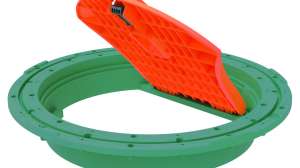
This broken clean-out was an easy issue to observe, and something that needs immediate attention.

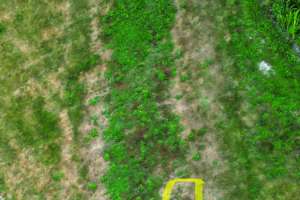
The vegetative growth on and around this mound system makes it pretty clear where the system’s treatment area is positioned.

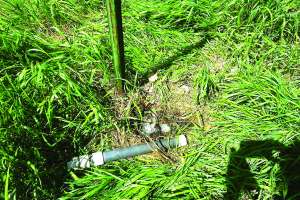
This broken clean-out was an easy issue to observe, and something that needs immediate attention.
The vegetative growth on and around this mound system makes it pretty clear where the system’s treatment area is positioned.
In last month’s column, we discussed the many potential system-related issues that should be evaluated during service visits. Now we’ll focus on soil treatment areas.
And with that, there’s a lot to cover. Signs of settling, inappropriate vegetation, stormwater impacts or surfacing effluent should be on the top of your radar.
Settling: Surface settling in the soil treatment area can be the result of compaction of material used in field construction, soil infiltrating into the distribution system or collapse of subsurface components.
Any signs of compaction should be noted in reports. Grazing livestock or keeping large family pets over the system should be discouraged because this will also cause compaction and erosion. Vegetable gardening over system components should be discouraged due to the need for watering, compaction, erosion and increased risk of freezing.
Vegetation: The right type of vegetation serves several purposes in an onsite wastewater treatment system. Properly maintained vegetation removes water and nutrients and assists in the treatment and assimilation of waste. It will also stabilize the soil and prevent erosion. Additionally, vegetation provides food and habitat for soil organisms that break down waste constituents.
Vegetation can also be used as an indicator of system function. If water-loving plants are present, they could be an indicator of a high-water table. Dead vegetation can sometimes indicate the presence of toxic constituents in the wastewater. Excessive vegetation adjacent to dead vegetation can identify the location of surfacing wastewater.
Also keep in mind that certain trees and shrubs may compromise system components through the infiltration of roots and the upheaval of large trees during storm events may disturb or unearth system components.
Stormwater: The service provider should look for signs that rainfall could be impacting the STA and surface water should be diverted away. Diversion berms and swales should collect surface water moving across the site and channel it around the system. If required, these should be intact and operating effectively. Stormwater running off buildings or other structures can infiltrate into components and should be diverted around the system with the use of gutters, drainage trenches and/or berms.
Make a note if any such activities are occurring over or near system components. Construction or utility installation in the area should be noted during any service visit. Problems associated with such activities may not show up immediately.
Other: It is also important to note if the neighbors have done anything that might affect flow or damage the system. Ideally, the system should be protected from traffic either by being in an inaccessible location or by the planting of shrubs or erection of barriers.
Effluent Pooling: Finally, if there is any sign of untreated effluent on the surface this must be reported and remedied.
Ponding should be measured in the STA. If possible, note the percentage of the soil treatment system being used and make a record of it. How much of the system is used can be observed through the inspection pipes, which are a key component of the system. Without ports you can only evaluate what you see on the surface. If they are not present, they should be recommended as an improvement. Inspection ports should be installed to the depth of the distribution media/imported soil infiltrative surface.
No heavy objects or obstructions of any kind (such as improper landscaping) should impede the service provider from accessing the STA.
The amount of expected ponding depends on the type of systems you are evaluating:
Gravity flow with septic tank effluent: In these STAs, we expect to form a biomat which reduces flow and assists with treatment by facilitating unsaturated flow. The depth of ponding will relate to the design and installation of the system along with the age and use of the system. Every type of gravity dispersal system will have a maximum amount of allowed ponding, so this amount should be determined and then the actual ponding tracked over time. This will provide the owner with an understating of the percentage of use and inform them about when a future repair or replacement will be needed.
Uniform distribution with septic tank effluent: In these systems a pump, siphon or similar device is utilized to spread the effluent out over the STA. Due to the organic matter and solids present in the septic tank effluent, a biomat will still form, but it is typically much thinner and does not result in the same type of ponding. Under normal operation the inspection ports in the uniform distribution system should be dry unless the pump/siphon has just delivered a dose to the system. If prolonged ponding exists, further investigation of the system is required to determine if it is being hydraulically or organically overloaded.
Gravity or uniform flow with secondary treated effluent: In these STAs, we do not expect to see any ponding since the amount of organic matter and solids are low compared to septic tank effluent. If ponding exists it may indicate problems with the secondary treatment unit (commonly an aerobic treatment unit or media filter) or a design/installation error.
The distribution system itself should be evaluated and serviced as needed. For gravity flow systems, if you have a distribution box it should be opened, cleaned if needed and adjustments made to ensure even distribution across the system. Check boxes for structural soundness and watertightness. Root infiltration is a definite indication of a problem. Inspect piping for bows, drops or ponding water, which indicate possible settling of the soil. If the distribution system is overly full, it is an early sign of problems, possibly due to lack of maintenance or sludge flow-through. There may be sludge in the box or plugging in the soil system itself.
Low pressure distribution laterals have the potential for plugging. Even with large perforation and high pressure, it is possible for solids to plug up the perforations. Partial plugging of the distribution piping may also be detected by long dosing times, such as 25% extra run-time per dose or a decreased drawdown following the dose event (decrease from original settings).
When lateral ends are buried, the only time maintenance takes place is after the system fails. To ensure long-term system performance, the laterals must be periodically flushed or cleaned. Typically, access for maintenance is provided by putting a valve box at the end of the pressure distribution lateral and bringing it to the surface. A threaded cap allows easy removal and access.
During normal operation, these valves are turned off, but they can be ideally accessed one at a time when flushing the distribution laterals. The distal pressure at the end of each lateral can be checked by threading in a cap with an orifice pointing upwards on each lateral. The height to which the effluent squirts up should be the same in each lateral. If it is higher in one lateral versus another, this indicates that the lateral with the greater height has plugging in some of the orifices and that flushing and cleaning is needed. The assessment or cleaning frequency may be determined by a regulatory program and systems may need more frequent cleaning based upon use and abuse.
Maintenance of the STA should be part of regular service of onsite wastewater treatment systems. Septic tank maintenance is important to the longevity of the overall system but evaluating the STA can result in catching other issues before they become larger problems.
Continue reading for free