There is a right and wrong way to cover septic system access points, and a tire with barrel lid is most definitely the wrong way.

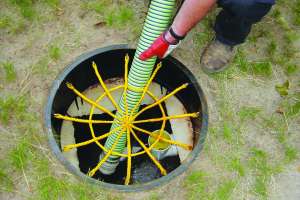
This is what we like to see. A clean access riser with easy access and a Simtech safety net.

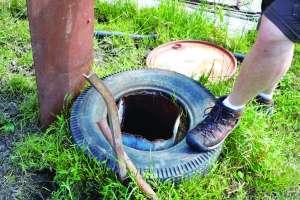
There is a right and wrong way to cover septic system access points, and a tire with barrel lid is most definitely the wrong way.
This is what we like to see. A clean access riser with easy access and a Simtech safety net.
The general recommendation for most septic systems is to have the tank pumped and cleaned every three to five years. While this is an important maintenance task, it’s crucial to also assess and service other components of the system as necessary.
Often, when customers reach out, they believe pumping is the only service required and are reluctant to invest in anything more. However, when you’re on site servicing the tank, it presents an opportunity to inspect the entire system and inform the property owner about any additional maintenance or upgrades that may be needed. Below are the areas to assess and report on around the property, in addition to the septic and pump tanks.
Obstructions or hindrances around system access should be noted on your report. Placing manmade structures too close to system components may affect performance and certainly make access more difficult.
Tank access must be adequate for inspecting contents and servicing the tank. Ideally, the riser should come to grade so that no digging is required to reach it. The lid on the tank or riser should be securely fastened with safety screws (screws that require a nonstandard tool) or other means. The lids must be readily removable by the service provider but childproof. The lids must be operable as designed, and there may be no obstacle placed near or on top that makes them inoperable. Lids must also not be so heavy as to make them inoperable.
If the lid is not to grade, suggest adding a riser along with a secondary restraint to prevent accidental entry into the tank. Lids that are not safe should be fixed or barricaded until repairs can be made. Inspection caps should also be checked to confirm gases are not getting out as this creates unpleasant odors in the yard. In cold climates, damaged or missing caps can also let cold air into the system.
Driveways and utility easements should also be observed to ensure they do not compromise the system. Aligned with that, patios, decks or other structures should not be located on top of any system component because they restrict air flow, prohibit proper vegetative growth, restrict access and encourage stormwater-driven erosion. Large bushes, trees and other vegetation often start small, but result in access issues if allowed to grow and expand. Reporting on when they are first noticed can prevent them from becoming larger problems down the road.
Promptly report any settling, leaks, cracks, roots or other structural issues related to the septic tank.
Surface settling can be an indicator of soil movement beneath the land surface. The settling around tanks may be caused by various factors such as settling backfill, soil infiltration, broken pipes or structural failure of the tank.
Erosion around system components can also occur due to settling, improper grading or inadequate vegetation. It’s a great time during the pumping of the tank to assess the structural conditions inside the tank. The integrity of the tank top, sides and bottom should be carefully checked. There should be no signs of structural failure inside the tank. The tank lid is susceptible to corrosion as it is above the liquid level. A concrete tank is considered to have failed if the rebar is visible or if there are signs of rust. Any spalling, chipping or flaking of the concrete should be noted as it could indicate the beginning of structural failure. Excessive damage could mean that the tank is close to collapsing.
A deformed plastic tank has also lost a significant amount of its structural integrity. It is important to inspect the inside of the tank, especially at the riser/tank seam to ensure that there is no root intrusion, which could indicate a potential leakage or infiltration. Additionally, if no water is being used in the home, listen for leaks or running water into the tank. The homeowner should be notified to address any plumbing leaks promptly.
Clear water entering the system can increase flows beyond the design capacity and reduce the necessary detention time. This results in solids carrying over that eventually clog the distribution pipes and excess effluent that can saturate the soil absorption area and cause the system to fail.
Effluent leaking from the tank can contaminate groundwater. If there is a riser on the tank, it should be in good condition and properly sealed to prevent infiltration. Check the riser/tank seam for stains that would indicate infiltration of groundwater or surface water. Proper grade over is essential to good surface water management. Final grade should be relatively even and sloped to allow surface water to drain away from system components.
If inappropriate or foreign items are visual in the septic tank, it is important to note these as well. Sometimes the owner may not know that others using the system are disposing of items into the septic system which should be going in the trash.
Like other components, pump tanks and compartments should be inspected during normal service as well. Examine the same areas previously covered, such as access and the necessity for tank cleaning, the ease of pump replacement, pump performance, alarm functionality and drainback (if applicable).
Ideally, the pump should be situated under the access riser to facilitate easy access and verify that the pump is replaceable. Also ensure that a noncorrodible pull chain or rope is attached for convenient removal. Additionally, the use of unions and quick disconnects can aid in pump replacement. Any non-pressure-rated fittings in use should be identified and recommended for replacement.
Lower operational depth of the pump tank increases the risk of the pump drawing scum and transferring it to other system components. Sludge tends to accumulate at the bottom of the tank and should be managed to prevent solids from entering the next component. Excessive solids may indicate insufficient septic tank capacity, high flow, high peak flows or a lack of maintenance. It’s common to place pumps on a block to prevent them from pumping sludge, but over time, the sludge level may rise above the block. Depending on the pump inlet’s location, if the sludge is nearing the intake, it should be removed.
Another often overlooked aspect to check is the pump’s amperage and voltage in the panel/box of the pump. Voltage measures the power supply to the pump. A voltage drop typically suggests a restricted connection or cable. Be sure to check that all the lugs are screwed down tightly. Amps measure how hard the motor works, so an increase in amperage over time may indicate worn impeller or internal wear, leading to reduced performance and efficiency. Depending on where the pump delivers effluent, this performance reduction could impact the entire system.
Septic tank maintenance is critical to the longevity of septic systems, but these routine service visits offer the opportunity to evaluate and correct many other aspects of the tanks within the system to improve the overall performance of the system.
Continue reading for free