If you have customers with an existing swimming pool or a new pool or hot tub installation in the planning stage, there are numerous considerations to ensure these recreational features work in harmony with the septic system.
CHOOSING THE LOCATION
First, if they are siting a new pool or hot tub, be sure they do not locate it on top of any septic system components. Many homeowners will benefit from having a professional inspection of the septic system before approving a layout for the addition. Homeowners considering installing a pool or hot tub may not know where all their septic system components are located, so pulling records and locating components is necessary on many properties.
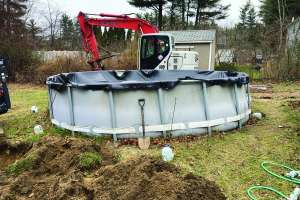
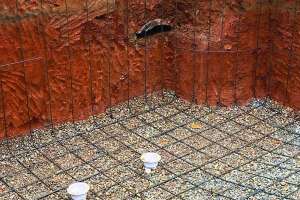
There may be a required setback in the local regulations for both above- and belowground pools and hot tubs. If the local regulations do not have a required setback, a general recommendation is to not place the feature closer than 15 feet from the system with 25 feet or more being advisable. When belowground pools are installed, the current and previous (abandoned) septic system components should be located. Often an abandoned system location may not be available, and it may be found when construction begins.
If the septic system has not been used recently, there are not concerns about harmful bacteria or viruses, but abandoned septic tank components and drainfields will likely have to be hauled off site as they will not provide a stable base for the pool.
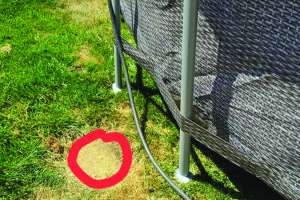
During installation or construction of the pool or hot tub, the septic system components should not be trafficked over. The area is best protected with the installation of temporary fencing. Heavy objects during or after installation will compact the soil and reduce air transfer into the system. Even an inflatable pool should be kept at a distance as the weight of the water could damage shallow piping and will compact the soil.
Small hot tubs weigh around 500 pounds empty, and as much as 3,000 pounds full, which is as much as a small SUV. Larger hot tubs can weigh more than 1,000 pounds empty and 6,000 pounds full. Installing a hot tub or pool above septic components can cause significant damage, dislodging or even crushing the pipes in the septic system.
If your customer installs a hot tub or aboveground pool, locating all the septic components is critical. There is the potential for leakage which could overload the septic system.
FILTERING POOL WATER
The water in a swimming pool circulates through a filtering system to remove dirt and debris. During normal operation, water flows to the filtering system through a drain at the bottom of the pool and a skimmer at the top of the pool. During filtering operation, dirty water from the pool comes in through the filter’s inlet pipe.
Some homes may just have a simple screen that catches debris, but often residential and larger pools have a filter. The most common pool filter uses sand, although cartridge or diatomaceous earth filters are used as well. With sand filters, the pool water passes through the sand catching any dirt and debris. On residential applications, the typical maintenance is to backwash the filter once a week to keep it from clogging, although some homes only need to clean it monthly.
The water and debris from cleaning filters should not enter the septic system. The water will contain excess solids the septic system was not designed to treat. Many municipalities specifically prohibit backwashing a pool filter into a septic system. In most regulations, pool backwash water is not part of sewage definition and therefore should not be allowed into the wastewater treatment system. The backwash water should be discharged to a vegetated area on the property.
DRAINING OF POOLS AND HOT TUBS
Swimming pool and hot tub maintenance often involves draining. With pools this often occurs before winter or for extensive cleaning. Chlorine and other pool chemicals can disrupt the natural balance of the septic tank, killing the necessary beneficial naturally occurring bacteria. Saltwater pools and hot tubs pose similar risks as chlorine when drained into septic systems as the high level of salt is detrimental to necessary bacteria.
Additionally, the excess water can push settled solids out of the septic tank and hydraulically overload the system, causing backups or failure.
The water should be drained away from the septic system. The property owner or management company must follow all local regulations and guidelines to ensure compliance with environmental standards. Some options include redirecting the water to a storm drain although some regulations prohibit this. Drained water can potentially be used for landscaping irrigation after allowing the chlorine to naturally reduce.
The owners should stop adding chlorine and then, after four or five days, test the water. When the chlorine level dips below 0.5 mg/L, the water is safe for most vegetation. There are other pool chemicals of minor concern. Algicides, if used, take anywhere from two weeks to six months to become completely ineffective.
The discharge should be directed to a vegetated ground surface, taking care to keep the water on the property. The water should not be discharged onto saturated soil. Areas with a recent application of herbicides, pesticides or fertilizers should be avoided as a flood of drained pool water will be more likely to push these chemicals to ground or surface waters.
FINAL THOUGHT
Pools, hot tubs and septic systems can happily coexist. Property owners and professionals need to keep these components away from septic systems and never drain filter waste or drainage from pools and hot tubs into the septic system.