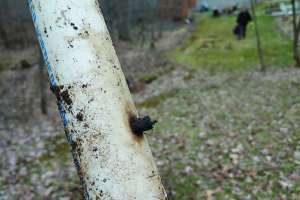
The sprinkler heads were placed roughly 2 feet above the ground surface in preparation for anticipated snow accumulation.

Karen Mancl, professor emerita, food, agricultural and biological engineering at The Ohio State University.

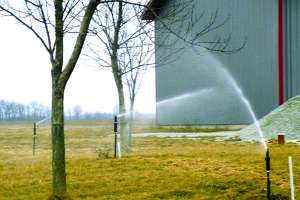

The sprinkler heads were placed roughly 2 feet above the ground surface in preparation for anticipated snow accumulation.
Karen Mancl, professor emerita, food, agricultural and biological engineering at The Ohio State University.
Karen Mancl is professor emerita of food, agricultural and biological engineering at The Ohio State University. She is a nationally known expert in onsite wastewater treatment and is past president of the Ohio Onsite Wastewater Association. Her research at Ohio State confirms that year-round onsite irrigation systems are an effective approach to eliminating the discharge of nutrients from septic systems into water bodies.
Pumper: What led to your research into the use of onsite irrigation systems in Ohio?
Mancl: The discharge of nutrients polluting lakes has been a problem in Ohio for decades. In the summer of 2014, for example, a large toxic algal bloom in Lake Erie threatened the water quality for thousands of Toledo residents, and the city was without water for days. So there’s been tremendous effort to reduce the amount of nutrients that are moving off the land into the lake. Farmers have stepped up to do their part to adopt best management practices to reduce the runoff of nutrients. But as they were doing more, the contribution from households was becoming more and more significant.
Pumper: Why are these household septic systems considered ineffective?
Mancl: Ohio has amazing, productive soils that are great for growing food, but they’re not ideal for treating the pathogens and nutrients in wastewater. The soils tend to be wet and saturated at very shallow depths above groundwater. In these shallow soils, the ground quickly becomes saturated and the treatment process stops. Curtain drains are usually installed to help drain away the water, but the drains tend to move pathogens and nutrients to surface water. Even when operated to meet all discharge standards, these systems in northern Ohio still discharge phosphorus and nitrogen to Lake Erie.
Pumper: Why did you choose irrigation systems for your research project?
Mancl: We were looking for low-cost and environmentally friendly ways to use the soil depth that we have to treat wastewater in the countryside.
Pumper: Why weren’t these systems already being used in Ohio?
Mancl: When I first came to Ohio in the 1980s, I started introducing the idea of using irrigation to reuse wastewater, but people looked at me skeptically, including the Ohio EPA. They said we couldn’t do that because we have winter weather here. Where would these nutrients go if you irrigate when the ground is frozen? But I had just come from Pennsylvania where they were doing it year-round, and the state had been permitting these systems for 30 years.
Pumper: Who funded your research?
Mancl: The research was carried out by Ohio State University with support from the Ohio Water Development Authority and the Ohio Department of Health.
Pumper: What were the parameters of your studies?
Mancl: We built a set of research systems at the North Appalachian Experimental Watershed facility in Coshocton County, Ohio, in 2013 and studied winter reuse. We wanted to learn if we could effectively recycle the nutrients and feed the lawn — that it doesn’t hurt the plants, the equipment doesn’t freeze and the water soaks into the ground year-round if you do it properly.
We located our research irrigation systems on a steep hillside and the yards were bermed. The only water that would run off this site — rain, snow or what we irrigated — would collect in a trench close to the bottom, with a 10-foot setback. We used a recipe for synthetic wastewater developed in my lab in the 1990s.
Pumper: What happened during the study period?
Mancl: We operated the research system for two winters, collected any runoff and tested it for nutrients and pathogens. The first winter was a typical Ohio winter. We had zero runoff and we were really pleased with that. Quite surprisingly to some people, water soaks in, even through frozen soil.
The second year we had an exceptionally bitter winter, and I was the only happy person in the state because we were going to test this in extreme conditions. Even though the sprinkler heads were slow to defrost as the warmer wastewater entered them in the coldest weather, the equipment didn’t freeze up.
At the end of the winter, we had a perfect storm where we had snow, freezing rain and sleet, and we were irrigating wastewater onto it. All of it melted in one day because it rained and some of that water finally got into the trench. My student was excited to finally collect some runoff and found the runoff cleaner than the discharge requirements for a permitted wastewater treatment system.
Pumper: Where have you demonstrated this system and what was installed?
Mancl: We built a demonstration system at the Stateler Farm in Hancock County in 2017. The farm is part of the Blanchard River Demonstration Farm Network in Northwest Ohio, an Ohio Farm Bureau/USDA partnership. This new system replaced a 70-year-old septic system and curtain drain that served the family home.
The new system included a wastewater collection tank and an Orenco AdvanTex AX20 biofilter treatment system with gravity discharge along with a UVIREX 230 UV treatment. This part of the system primarily removed organic matter, suspended solids and pathogens. The treated effluent was pumped into an irrigation holding tank. The clear and odor-free effluent was then irrigated on the lawn through the spray irrigation system, where phosphorus and nitrogen is used by the plants and absorbed by the soil.
Pumper: What did the irrigation system look like?
Mancl: The irrigation systems require about 1,000 square feet of yard area per bedroom to safely irrigate the treated wastewater on the lot. One goal of onsite spray irrigation is to disperse treated wastewater without forming puddles. Another goal is to provide the right amount of water and nutrients for plants. The sprinklers are usually 30 to 50 feet apart and the edge of the spray area should be at least 10 feet from buildings, paved surfaces, property boundaries and vegetable gardens.
This demonstration system used three sprinkler heads, each with a 180-degree spray pattern. They were mounted on risers that extend 18 inches to two feet above the surface of the ground so they could spray above the level of accumulated snow. The system used K-Rain Manufacturing ProPlus sprinklers designed for reclaimed water use which are made to pass some small solids so that they don’t clog.
Using a time-dosed system, sprinklers turn on usually early in the morning before anybody’s up, irrigate for 10 to 30 minutes and then shut off. Each day, a float switch checks to see if there’s enough water in the tank, but it typically irrigates every other day.
Pumper: Were there any challenges in establishing the study?
Mancl: The first major hurdle was gaining the necessary permits. It’s not a standard system within the code and Hancock County and the local sanitarian had never seen a permit application like this before. If you go to Medina County, closer to Cleveland, this is an accepted system with many in use. Fortunately, the Ohio Farm Bureau and the landowner were persistent.
We also needed a septic system installer who also knew how to install the irrigation component of the system. Instead of bringing in an installer from another county, my colleague, Mike Rowan, taught a local installer how to install the system.
Pumper: What were the results of the demonstration project, in terms of diversion of nutrients from Lake Erie?
Mancl: Water quality samples collected before and after the system was installed demonstrate that 2.06 mg/L of phosphorus that was being discharged from the old system is no longer making its way to Lake Erie. The phosphorus discharge eliminated from thousands of septic systems in the Lake Erie Basin would add up if more of these systems were installed.
Pumper: How has the research project affected Ohio’s regulations for wastewater irrigation systems and the use of these systems in the state?
Mancl: Although it’s not yet part of the state’s regulations, Ohio has allowed the reuse of reclaimed wastewater for irrigation under a special permit process. We have 88 counties in Ohio and some of them have streamlined the permitting process for quick adoption.
Continue reading for free