
There was a week in April that our area (southeast Wisconsin) had tornadic storms with some areas receiving over 4 inches of rain. The storms were severe and included flooding, a lot of lightning and tornados. By April 18, Milwaukee had already had its rainiest month on record with over 9 inches of rain. Other areas experienced similar severe storms this spring.
In the aftermath, our phone did not stop ringing. Everything was flooding: basements, yards and onsite systems. Along with flooding, lightning and strong winds can also cause issues for your customers. The following are how some of these can be addressed when they impact onsite systems.
Lightning
After every thunderstorm we receive several calls regarding high-water alarms being activated. This first example assumes the customers calling have a pump or dose tank.
Every time we get a call about an alarm we answer the exact same way: “Please find the breaker for the pump in your mound system [or other type of system]. Turn that breaker off. Turn it back on and wait 20 minutes. If the alarm resets and turns off, it was merely a tripped breaker. If the alarm persists 20 minutes after you turned the breaker off and back on, let us know.”
You have to be very clear that they need to turn it off and turn it back on and then wait 20 minutes. Many people misinterpret our request, turn the breaker off for 20 minutes and call us back as soon as they turn it back on.
Why turn the breaker off, then back on? Because many breakers don’t look tripped anymore, and the customer always says it’s not tripped. So we ask the customer to “turn off the breaker and turn it back on” and this takes care of whether it was tripped or not. The 20 minutes is enough time to allow the over-full tank to pump down if indeed it was a tripped breaker.
Lightning does not have to make a direct hit to trip a breaker; lightning just has to be happening somewhere in the area. Our pumps and our wires are all underground, and it seems that breakers do trip easily with lightning in the vicinity. We find that a high percentage of the calls about a high-water alarm after a storm are due to merely tripped breakers.
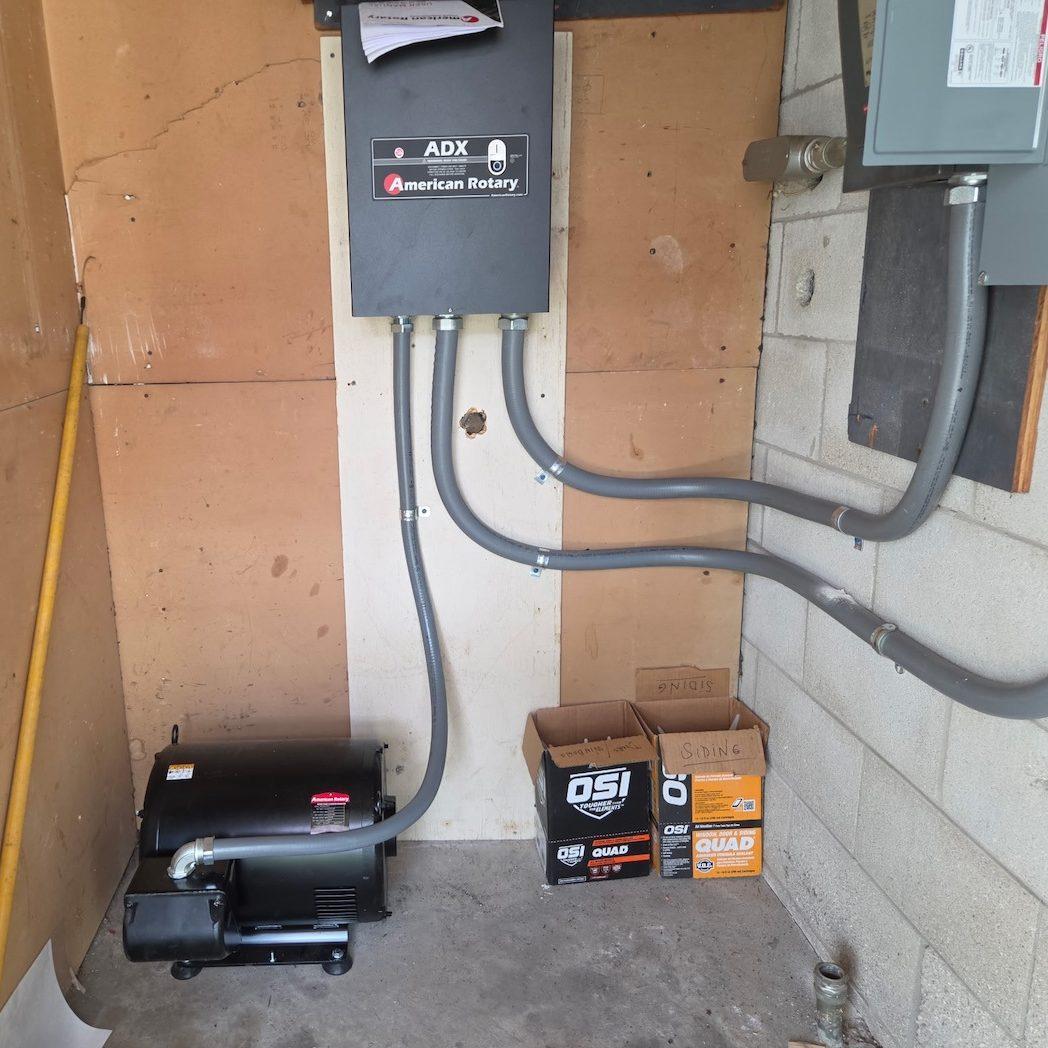
Here’s one additional tip that you might already know but I’ve learned recently; this pertains to a system (most likely commercial or industrial) where you have a three-phase converter.
I work on several systems that we converted from single phase to three phase for the installation of chopper pumps (think grinders on steroids). So we have a three-phase converter and we have duplex control panels for each set of pumps. Some systems I’m referring to have several sets of duplex pumps.
On one particular system where the converter and panels are all outdoors, it seems the converter trips off during powerful electrical storms. It is very important, if you have the same issue, that prior to turning the converter back on, you make certain to open the pump control panels and shut the pumps off. You do not want the pumps to draw on the converter until it has time to run up to speed. Let it run for about five minutes before you turn the pumps back on. Turning the converter back on while pumps are still in the on or auto position can cause harm to the converter and pumps. This is because you don’t actually have three-phase until the converter can get up to speed. (Five minutes should do in most instances, but check the instruction manual for actual time it should run prior to turning the pumps on.)
Flooding
This one is obvious, I know. Too much water ponding on top of or flowing over tanks or distribution/soil components is detrimental to normal function.
When you’re on a service call during or after flooding, it’s important to get a good read on the local topography. We typically print a topo from the county GIS, but also visit the site to visually determine what area is higher than their lot. Where is the stormwater flowing from? Sometimes it’s easy to tell. For mounds or inground systems maybe a berm could be built to to protect the system from future flooding. For some inground systems you can create a slight mound with fill to direct stormwater around or away from the system so stormwater does not pond on top of it. Ponding on the system is a fast way for the system to become hydraulically overloaded. During floods we see water pouring back into the tanks from otherwise normally operating systems.
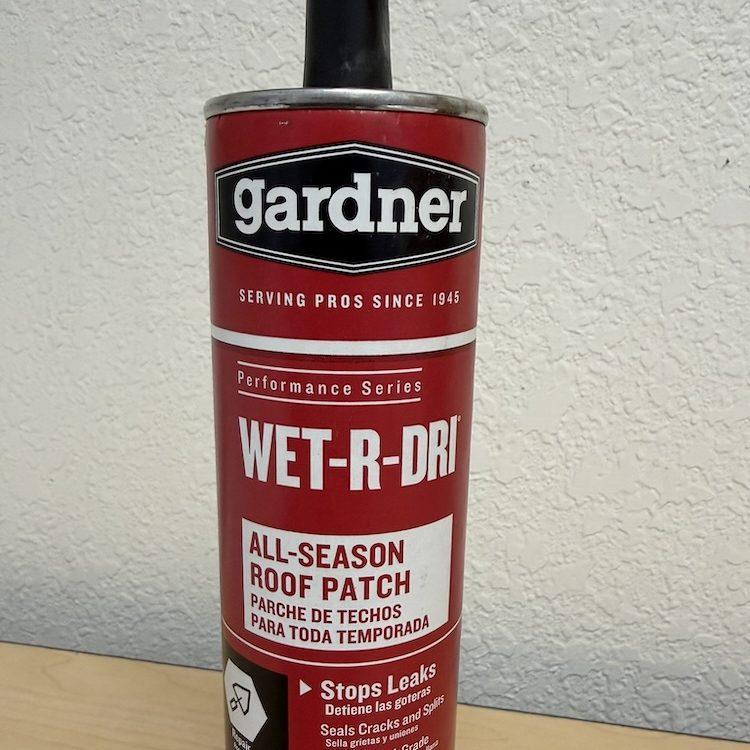
If stormwater is getting into the tanks through the access cover or risers, expose the cover/risers and then seal the risers from the outside. For sealing joints on tanks or the outside of risers one product that works great is all-season roof patch. There are many brands to choose from. My company also buys the caulk pictured here in 5-gallon buckets, which work well for sealing larger areas than a caulk tube would cover. Although the product is considered a roof patch it says in the instructions that it is “also excellent for use as a heavy-duty below-grade and underground waterproofer…”
Wind
The main impact of wind is toppling trees in close proximity to a system. Downed trees can smash access covers, risers, junction boxes, etc. When a large tree is blown over its now exposed root system can pull up part of the soil absorption system with it. I’ve seen tree roots bring up large sections of systems (pipe and fittings). This is one other (less common) reason to keep trees away from systems when possible. Make absolutely certain your employees evaluate storm-damaged systems with great care as downed power lines or damaged underground electric lines or gas pipes could cause the site to be much more dangerous than it appears.
Storms do damage to everything in their path and onsite systems aren’t immune. We all know that our customers are quite anxious when their systems are not working properly (for good reason) and the damage caused by storms adds to their concerns. Providing great customer service after storms is one more way you can prove why you are the professional they rely on.
About the author
Todd Stair is owner and president of Herr Septic and Sewer, Inc., with over 35 years’ experience designing, installing, repairing, replacing and evaluating septic and mound systems in southeast Wisconsin. He is the author of The Book on Septics and Mounds and a former president of the Wisconsin Onsite Water Recycling Association.
Continue reading for free