
Grease traps are essential for keeping fats, oils and grease (FOG) out of the sewer system, but when maintenance is neglected, things can get ugly fast. Here are some of the worst grease trap disasters and how to deal with them:
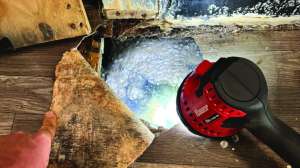
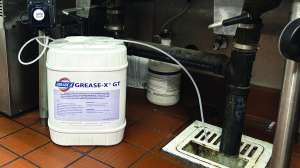
The Solid Block – When a grease trap hasn’t been pumped in months (or years), the grease can harden into a thick, rock-like mass. The solution? A combination of hot water, degreasing agents, and serious elbow grease — plus a strict maintenance schedule moving forward.
The Smell That Won’t Quit – A neglected grease trap can stink up an entire building, driving away customers. Regular pumping, enzyme treatments, and proper ventilation can prevent foul odors from taking over.
The Overflow Disaster – A full grease trap can back up into sinks and even the kitchen floor, creating a health hazard. Emergency pumping and jetting might save the day, but proactive servicing is the real solution.
The Science Experiment – Some grease traps become a breeding ground for bacteria and maggots. The fix? Regular cleanings, proper disposal practices, and ensuring staff understands the importance of grease management.
Avoiding grease trap nightmares is all about staying ahead of the problem. Routine maintenance and customer education can keep businesses running smoothly — and odor-free!