
Last month brought another strong lineup of industry coverage, expert insights and practical strategies from across the septic pumping and installation sector. To help readers stay caught up, we’re rounding up some of the most-read stories from October on Pumper.
If you’d like these kinds of stories delivered directly to your inbox, be sure to subscribe to our newsletter. It’s the easiest way to stay connected with the latest industry updates, equipment coverage, operational best practices and real-world solutions featured by Pumper.
5. The Overlooked Role of Air in Drainage Systems
While individual trap ventilation receives the most attention, restricted airflow throughout horizontal branches and main stacks is degrading the performance of modern drainage systems. Understanding the complex dynamics of hydraulic jump, terminal velocity and internal head pressure empowers plumbers to design highly efficient systems.
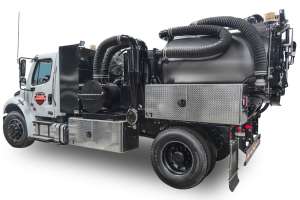
4. C&C Portables Keeps the Dirty Work Clean
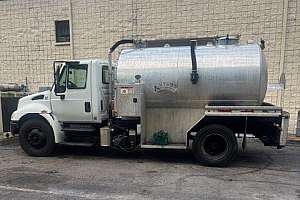
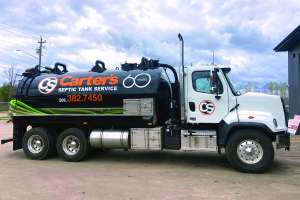
In a sanitation industry where customers frequently expect dirty equipment and messy facilities, maintaining pristine vacuum trucks and rigorously sanitized portable restrooms sets an elite standard for local professionalism.
3. Is Your Approach to After-Hours Calls Hurting Business?
Plumbing and pumping contractors who rely on basic voicemail for after-hours emergencies are losing up to 85% percent of those high-value inbound leads directly to their competitors. Implementing a strategic, live answering solution ensures that every midnight overflow call converts into a booked job.
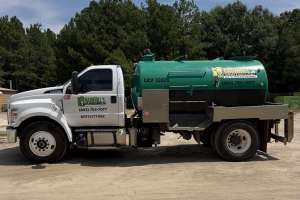
2. Diversification, Service and Innovation Drive Wise Choice Disposal
Navigating the rising costs of commercial waste disposal and fleet fuel sometimes requires modern sanitation operators to strategically diversify their traditional service offerings and take control of their own processing facilities. By synergizing portable restroom rentals, roll-off dumpsters, and septic pumping with an innovative onsite mechanical dewatering system, one Kentucky family successfully scaled a small pumping route into a highly profitable, multi-division enterprise.
1. A Uniquely Detailed Look at a Site’s Soil Profile
Traditional percolation tests and shallow soil probes frequently fail to reveal the complex subsurface geological features that dictate the true treatment capacity of a proposed onsite wastewater site. Utilizing deep morphological excavations offers soil testers an unprecedented, highly detailed view of critical redox patterns and limiting horizons, enabling more accurate system designs.
Continue reading for free