When replacing an onsite system, there are many considerations that must be taken into account outside in the planned site; but there are also several factors to account for inside the building or home as well.
This article will allow you to learn from my, shall we say, experience regarding things that should be considered when replacing an onsite system for an existing building.
First and foremost, make absolutely certain how many sanitary sewer pipes are actually exiting the basement wall. You expect it to be that one that is coming out to the septic tank now; but that’s not always the case. I’ve seen several times where a second (or even third) sanitary sewer exits other areas of the building. Many times these can be on completely opposite sides of the house, and unfortunately at differing elevations.
In most cases, the second sewers I’ve found have actually been in different rooms so if you weren’t looking for them you never would have found them. If there is a second sewer that you don’t know about and you replace the tank, and then after the fact find out about the second sewer, there might not be enough pitch to connect that second line.
One method of connecting the second sewer line would be to somehow get that second sewer connected to the main one inside the building, but that could require a sanitary sump pump to get it there. In some cases the pipe cannot physically get to the main one due to stairways, walls or other physical restrictions.
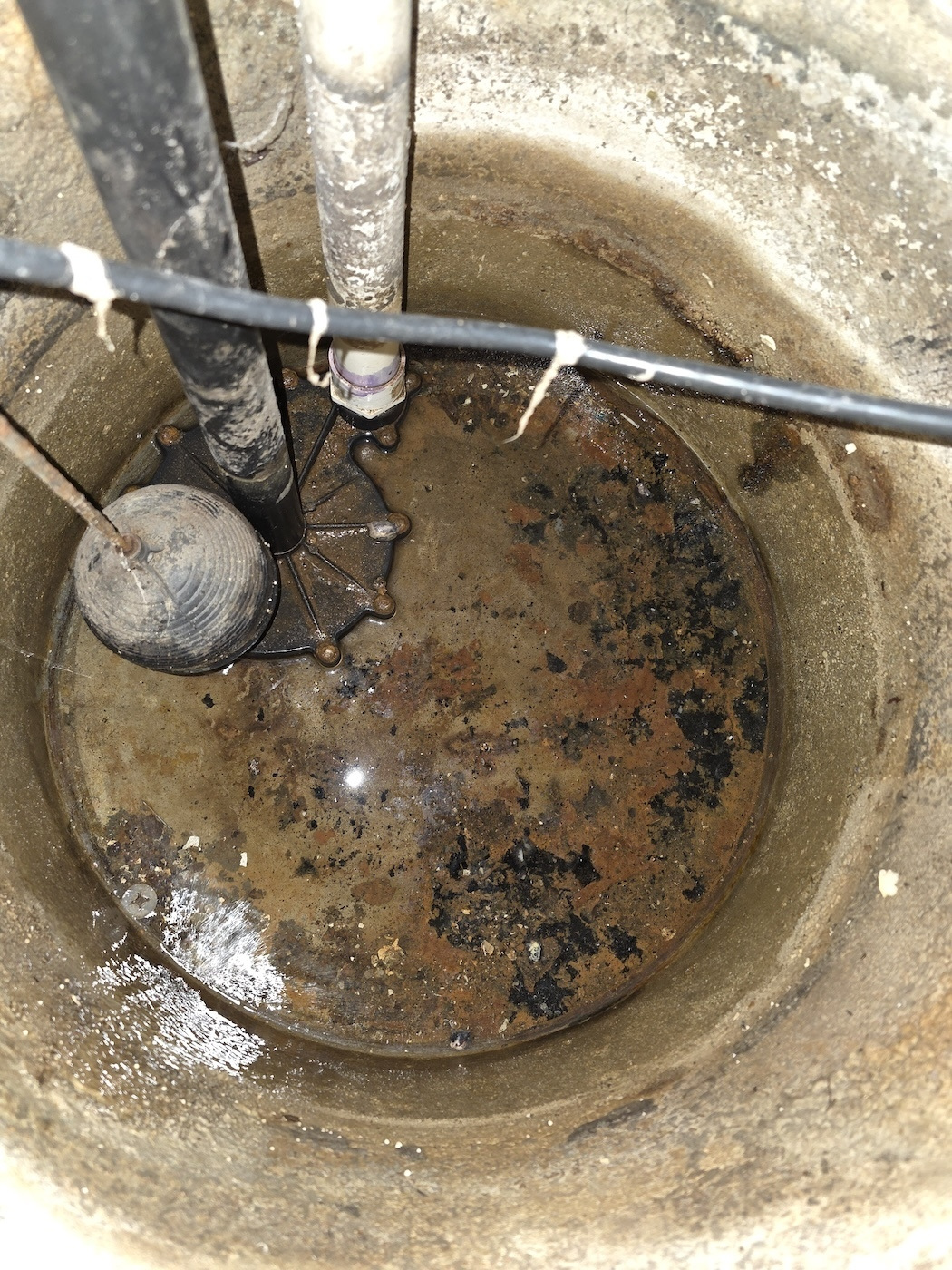
Once all sewer lines exiting the building are found, check that the sanitary crock is functioning normally and not picking up groundwater. A sanitary crock is a sump pump in the basement that picks up the floor drain, laundry and any other basement plumbing fixtures and lifts the water to the sanitary pipe which hopefully exits through the wall (hung plumbing). I have found many older sanitary crocks that were originally concrete and are either leaking groundwater or the pipe from the floor drain to the crock is picking up groundwater. Either way, groundwater will hydraulically overload a system and could cause premature failure.
Newer sanitary sump crocks are typically plastic with sealed tops to prevent sewer gasses from emanating from the crock. Old ones that are more suspect are the concrete ones that either crack, have holes, and in most cases do not have sealed airtight covers. The airtight cover issue is between the home owner and an “inside plumber.” However, if you can show that the crock is picking up water from under the floor that it shouldn’t be, that is the time to have them get the crock replaced or at very least repaired. The unwanted water from beneath the floor will be detrimental to a new system.
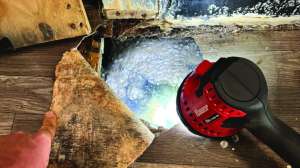
Recently I was meeting with two new homeowners — well, they were new but the house and sanitary crock weren’t. Not accustomed to holding tanks, the couple swore their new holding tank must be leaking: How could it possibly fill up in only a month? While inspecting the tank with them, and showing that the tank was watertight, a large dose of water came flushing into the tank through the inlet pipe, obviously under pressure. I asked if anyone else was in the house using water; they said no. Their sanitary crock pumping out into the tank when no water was being used. I knew this was a sign the crock was picking up groundwater from under the house, and further investigation proved that fact. A leak through the concrete sump crock was indeed found and water was filmed on a phone video camera filling the sump crock while no water was being used.
Remember, a leak into the sanitary crock might not be through the crock itself. Water from a floor drain can leak into old brittle pipe beneath the floor. There have been many times we found a clear source of extraneous water coming through that pipe into the sanitary crock. This type of extra water can and will easily cause premature hydraulic failure of a system.
Continue reading for free