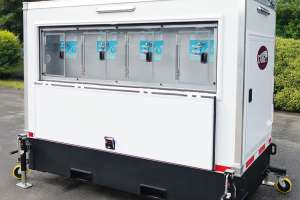

In communities across the U.S., centralized sewer systems are the norm. But in some towns, an entirely different approach is working — one where every home and business relies on onsite wastewater treatment systems. These towns are thriving without the burden of a traditional sewage treatment plant, showing that decentralized solutions can be both effective and sustainable.
1. Self-Sufficiency Through Onsite Systems
Towns like this have embraced the power of onsite wastewater treatment systems, such as septic tanks and alternative treatment technologies. Instead of relying on miles of underground pipes to transport waste, each property handles its own wastewater. This decentralized approach reduces the need for costly infrastructure.
2. State-of-the-Art Septic Systems
Many homes and businesses in these towns have updated their traditional septic systems with advanced treatment technologies. From aerobic treatment units to sand filters and mound systems, these modern solutions provide higher levels of treatment.
3. Environmental Benefits
One of the primary advantages of relying on onsite systems is the reduced strain on local ecosystems. With each property responsible for its own wastewater treatment, the burden on local rivers, lakes, and groundwater is minimized.
4. Challenges of Decentralized Treatment
While onsite systems offer many benefits, they are not without their challenges. Property owners must stay on top of regular maintenance, including pump-outs, inspections, and system repairs.
5. A Growing Trend
As more municipalities face the high costs of installing and maintaining centralized sewer systems, the idea of running a town entirely on onsite wastewater treatment is becoming more appealing. Advances in septic technology, combined with a growing awareness of environmental impacts are making decentralized solutions a viable option for communities.
Conclusion
Running a town on 100% onsite wastewater treatment may not be the easiest route, but for some communities, it’s a sustainable, environmentally friendly, and cost-effective solution. By embracing the power of decentralized systems, they are proving that with the right technology and maintenance, onsite wastewater treatment can be a successful model for the future.