
Deciding whether to expand from a single pumper truck or service vehicle is complicated. Running a solo service vehicle gives you total autonomy, decision-making leeway and total flexibility. On the other hand, building and operating a fleet provides scalability and operational resilience. For septic pumpers and portable restroom operators evaluating their next steps, understanding the operational trade-offs, financial obligations, risks and regulatory demands of each model is essential.
Independent owner-operator
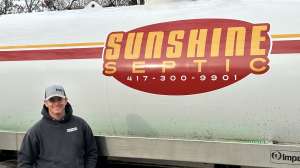
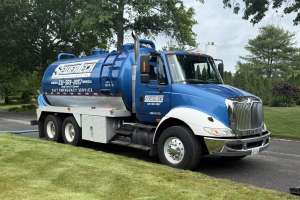
Operating a single service vehicle gives you total oversight over scheduling, service area, pricing structures and client relationships. Solo operators keep their earnings without corporate profit-sharing, making it an attractive path for experienced technicians who want to keep the results of their labor. But independence requires taking on all operational responsibility. Solo operators must manage nonbillable administrative tasks including route planning, commercial licensing, regulatory compliance, equipment financing, specialized insurance coverage, customer service and job estimation.
The time needed for administrative, mechanical or compliance-related tasks reduces your available billable field hours. Equipment downtime also represents a financial vulnerability for the single-truck model. When your primary service vehicle breaks down, service operations grind to a halt, and you lose revenue, see customer churn and incur emergency repair expenses. Maintaining your capital reserves and preventive care schedules is essential for survival as an independent owner-operator.
Fleet operation
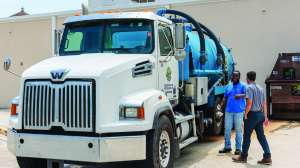
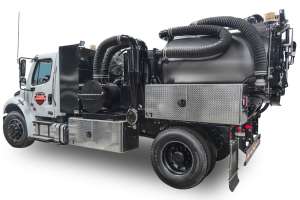
Expanding to a multivehicle fleet introduces significant operational efficiencies that reduce the drawbacks of life as a solo operator. Fleets benefit from centralized dispatch systems, dedicated administrative support, group purchasing power on fuel and parts, and shared overhead costs. Plus, large fleets maintain operational redundancy: If one service vehicle requires unexpected repairs, your other vehicles or drivers can cover routes without disrupting customer service commitments.
Managing multiple specialized vehicles requires a structured environment and routine monitoring. As former PROs Jeff and Terri Wiggley note in their column on managing portable restroom vehicle fleets, staying profitable demands route optimization, strict inspection routines, structured oversight and proactive maintenance programs. Structured fleet management keeps operating expenditures predictable while protecting key assets from premature wear and mechanical failures.
Safety management and regulatory compliance are also essential for fleet success. By developing and enforcing an actionable fleet safety program, you ensure compliance with DOT mandates, minimize accident risks, lower insurance premiums and protect your employees and customers. Standardized driver training protocols also stabilize your operational quality and protect your reputation.
Ultimately, choosing between running a solo service truck and managing a multivehicle fleet depends on your business goals, risk tolerance and aspirations. While independent owner-operators enjoy direct control, autonomy and lower initial overhead, they face limited revenue potential and significant financial risk during equipment downtime. On the other hand, building a commercial fleet requires greater capital expenses and more complex administrative compliance. But running a larger fleet also unlocks greater revenue capacity, operational redundancy and long-term business value. By carefully evaluating these trade-offs, PROs and pumpers can choose the path that best supports their operational vision and financial future.
Continue reading for free